
Does 'Biodegradable' on a Cleaning Product Label Actually Mean Anything?
Unpacking the gap between laboratory claims and the reality of modern waste infrastructure.
James Yoo
Founder and Developer
James Yoo is the founder of Fluven, a sustainability intelligence platform that scores Amazon products on carbon, waste, and ethics at the point of purchase.
Key Takeaways
- Unqualified biodegradable claims are often deceptive under FTC guidelines because they imply rapid decomposition in environments like landfills where it cannot occur.
- True biodegradation requires specific conditions, and standard landfills are designed to inhibit these processes to maintain waste containment.
- Organic matter breaking down in landfills generates methane, a potent greenhouse gas, rather than decomposing in a natural, aerobic fashion.
- Consumers should look for verified, independent certifications rather than relying on vague environmental marketing language found on packaging.
The term biodegradable on a product label is often misleading for the average consumer. Under the Federal Trade Commission (FTC) Green Guides, an unqualified biodegradable claim is considered deceptive unless a company possesses reliable scientific evidence that the entire product will decompose into elements found in nature within one year of customary disposal (Federal Trade Commission, 2012). Because most cleaning products end up in landfills or incinerators, which lack the conditions for such rapid decomposition, the label is frequently unsupported by the actual end-of-life reality of the item.
What does the law actually require?
The regulatory framework for environmental marketing in the United States is primarily governed by the FTC Green Guides. These guides exist to protect consumers from false or deceptive environmental claims. Specifically, 16 CFR 260.8 dictates how companies must substantiate claims regarding the degradability of their products.
The regulation establishes a high burden of proof for manufacturers. An unqualified claim means the manufacturer is asserting the product will fully break down within roughly one year. This timeline applies to the entire product. It is not enough for a single component to degrade if the container or other elements remain intact (Federal Trade Commission, 2012).
Why do landfills prevent decomposition?
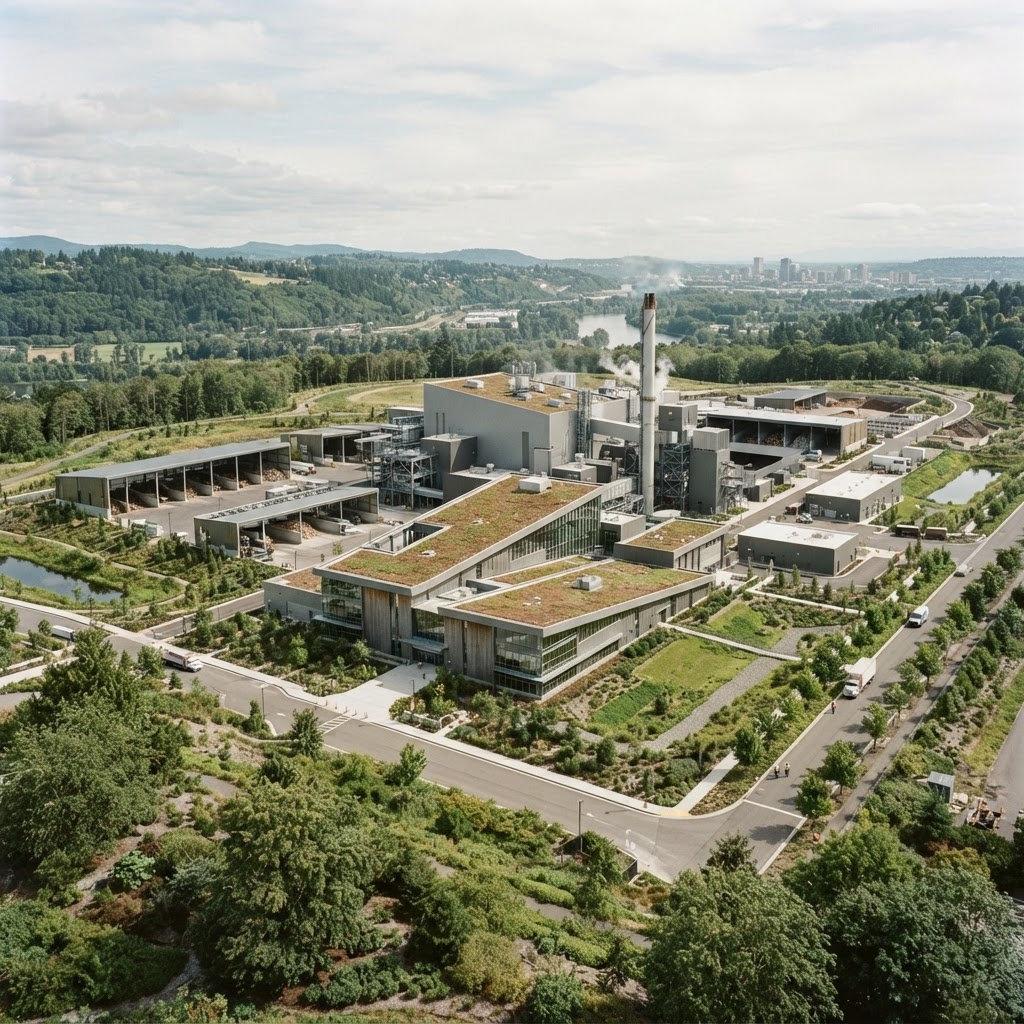
Many consumers assume that anything labeled biodegradable will eventually break down in a landfill just as it would in a backyard compost pile. This assumption ignores the physical reality of modern waste management. Landfills are designed for long-term containment rather than rapid decomposition.
According to the Federal Trade Commission (2012), claims of biodegradability are inherently deceptive for items destined for landfills or incinerators. These facilities lack the necessary microbial activity, moisture, and airflow required for standard biological breakdown within the one-year window mandated by the law.
What happens to organic material in a landfill?
When organic matter does decompose in a landfill, it rarely follows the natural, aerobic process seen in nature. Instead, it enters an anaerobic environment. The U.S. Environmental Protection Agency (n.d.) explains that this oxygen-free environment forces bacteria to break down organic materials in a way that generates methane.
Methane is a potent greenhouse gas that is significantly more effective at trapping heat in the atmosphere than carbon dioxide. This process is the opposite of the clean, natural cycle consumers often envision when they see a green-tinted label on a bottle of floor cleaner or dish soap (U.S. Environmental Protection Agency, n.d.).
Are there exceptions to the rule?
Some products can legitimately make a biodegradable claim if their disposal pathway is different. For example, some liquid products like shampoo are customarily disposed of through home sewage systems. If a manufacturer has evidence that the product breaks down in that specific environment, the claim may be non-deceptive (Federal Trade Commission, 2012).
This distinction highlights why context matters. A soap that enters the water system is fundamentally different from a plastic bottle that is tossed into a trash bin. The validity of the claim relies entirely on the intended and customary disposal path of the product.
How do manufacturers justify these claims?
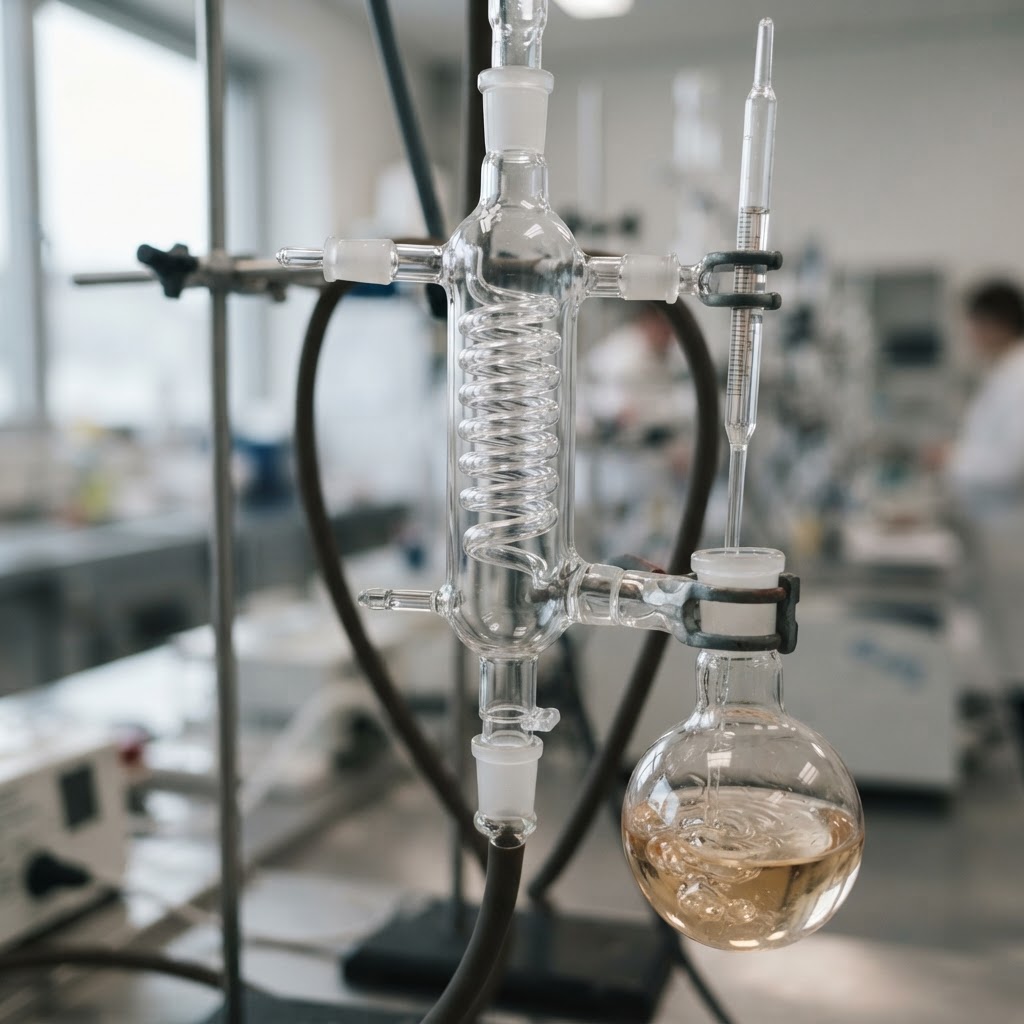
Manufacturers often perform laboratory tests to verify biodegradability. These tests simulate specific conditions that are rarely present in municipal waste systems. While the test results might be accurate in that controlled laboratory environment, they fail to represent the actual lifecycle of the product (Federal Trade Commission, 2012).
The disconnect exists between controlled science and uncontrolled infrastructure. A product may biodegrade in a test tube, but that does not guarantee it will do so in a landfill packed with layers of waste and daily cover. Marketing teams often emphasize the test result while omitting the limitations of the disposal environment.
What should the consumer look for instead?
Consumers should prioritize verified certifications over vague marketing terms. Certifications from reputable, independent third parties are generally more reliable than self-declared claims by the brand itself. Look for labels that explicitly define the conditions under which the product will degrade.
Avoid products that use environmental buzzwords without providing specific data. If a product claims to be biodegradable but does not mention the environment or the time frame required for that decomposition, it is likely relying on the lack of consumer scrutiny regarding federal guidelines.
How can you make more informed purchases?
Sustainability is not defined by a single label or a clever design. It requires looking at the chemical composition, the packaging waste, and the corporate practices of the company. A product is not inherently sustainable just because it makes a marketing claim about its end-of-life status.
The most effective way to judge sustainability is to utilize tools that aggregate verified data rather than relying on the manufacturer's own marketing copy. By checking a product on the Fluven platform before you finalize your next online purchase, you can see how it scores across critical metrics of waste and environmental impact.
Summary of regulatory constraints
- Full decomposition.Claims must show the entire product breaks down within one year.
- Customary disposal.Labels must account for the actual environment where the product is discarded.
- Evidence required.Manufacturers need competent and reliable scientific proof for any unqualified claim.
Time limit for decomposition required by FTC guidance
Legal citation governing environmental claims
Can landfills support composting?
Some shoppers wonder if sending biodegradable plastic to a landfill serves the same purpose as composting. This is a common misconception that results in environmental harm. Landfills are purposefully engineered to prevent the air and water circulation needed for the organic matter to decompose naturally (U.S. Environmental Protection Agency, n.d.).
True composting requires careful management of temperature and moisture. Landfills, conversely, focus on compacting material to save space and preventing the leakage of contaminants into the surrounding soil. The two systems are incompatible by design (U.S. Environmental Protection Agency, n.d.).
The methane connection
When we ignore the law and throw items labeled biodegradable into the trash, we contribute to a cycle of greenhouse gas production. The anaerobic breakdown of organic waste in a landfill generates methane gas (U.S. Environmental Protection Agency, n.d.).
Consumers are often unaware that their efforts to choose sustainable products are being undermined by the destination of their waste. The solution is to demand higher standards of transparency and to support companies that provide verifiable data for their claims (Federal Trade Commission, 2012).
Taking action
You can make an impact by being more skeptical of unregulated environmental labels. Always ask for the evidence behind the claim. If the packaging lacks specific details on how to dispose of the item to ensure decomposition, be wary of the label.
Use the Fluven sustainability score to evaluate household cleaning products before you buy. By looking at third-party verification rather than vague marketing language, you can avoid companies that use greenwashing to obscure their environmental impact.
- 1.Federal Trade Commission. (2012). Guides for the use of environmental marketing claims, 16 C.F.R. Part 260. https://www.ecfr.gov/current/title-16/chapter-I/subchapter-B/part-260/section-260.8
- 2.U.S. Environmental Protection Agency. (n.d.). Composting. https://www.epa.gov/sustainable-management-food/composting
This article was produced with the help of AI and reviewed for adherence to our editorial style guide. It is intended to give directional understanding of a sustainability topic, not to serve as professional, legal, or purchasing advice. Fluven is not responsible for any inaccurate, outdated, or misleading claims that may appear here. If you notice an error, please let us know.
Frequently Asked Questions
Why is the term biodegradable often deceptive?+
It is deceptive because most products end up in landfills or incinerators, which do not provide the oxygen and moisture needed for complete decomposition within the one-year timeframe mandated by the FTC (Federal Trade Commission, 2012).
What is the environmental impact of organic waste in landfills?+
In the oxygen-free conditions of a landfill, bacteria break down organic materials and produce methane, which is a powerful greenhouse gas that significantly contributes to global warming (U.S. Environmental Protection Agency, n.d.).