Does Switching to LED Bulbs Actually Solve the Environmental Problem?
While LED technology has achieved record energy efficiency, the massive shift toward these bulbs has exposed a significant gap in our ability to manage the resulting electronic waste.
James Yoo
Founder and Developer
James Yoo is the founder of Fluven, a sustainability intelligence platform that scores Amazon products on carbon, waste, and ethics at the point of purchase.
Key Takeaways
- LED bulbs save significant energy, but their complex chemical composition makes them hazardous electronic waste.
- Only 12 percent of LED bulbs are currently recycled in North America due to a lack of specialized processing facilities.
- LED bulbs contain rare earth elements like europium and yttrium that are difficult and chemically intensive to recover.
- Improper disposal leads to the leaching of heavy metals such as lead and antimony into the environment.
- Consumers should use Fluven to assess the lifecycle sustainability and recyclability of lighting products before purchase.
The transition to light-emitting diode (LED) lighting represents one of the most successful energy efficiency stories of the last decade. As of 2024, 90 percent of U.S. households use LED bulbs, with 37 percent relying on them for all indoor lighting needs (U.S. Energy Information Administration, 2026). This shift has saved 1.3 quadrillion Btu annually, which translates to a yearly cost savings of $14.7 billion across the United States (U.S. Department of Energy, 2020).
However, the environmental narrative is more complex than simple energy savings. Despite their longevity, LED bulbs are classified as electronic waste (e-waste) because they contain a sophisticated array of rare earth elements and heavy metals. With only 12 percent of LED lamps sold in North America recovered for recycling in 2023, the vast majority end up in landfills (Kowalski, 2026). This creates a disposal crisis that threatens to negate the sustainability gains achieved during their operational life.
How did LED adoption change so quickly?
The rapid market saturation of LED technology is an unprecedented shift in consumer behavior. Between 2015 and 2024, the proportion of U.S. households utilizing primarily LED bulbs surged from 4 percent to 63 percent (U.S. Energy Information Administration, 2026). Concurrently, the use of traditional incandescent or halogen bulbs plummeted from 31 percent to 10 percent (U.S. Energy Information Administration, 2026).
This adoption was driven by massive improvements in light quality and cost effectiveness. By 2018, LED adoption reached 2,325 million units in the United States, accounting for 30 percent of all general illumination (U.S. Department of Energy, 2020). Consumers responded to lower utility bills and less frequent bulb changes. While this solved a major energy efficiency hurdle, it created a new stream of discarded materials that local waste systems were not designed to handle.
Why are LED bulbs classified as hazardous waste?
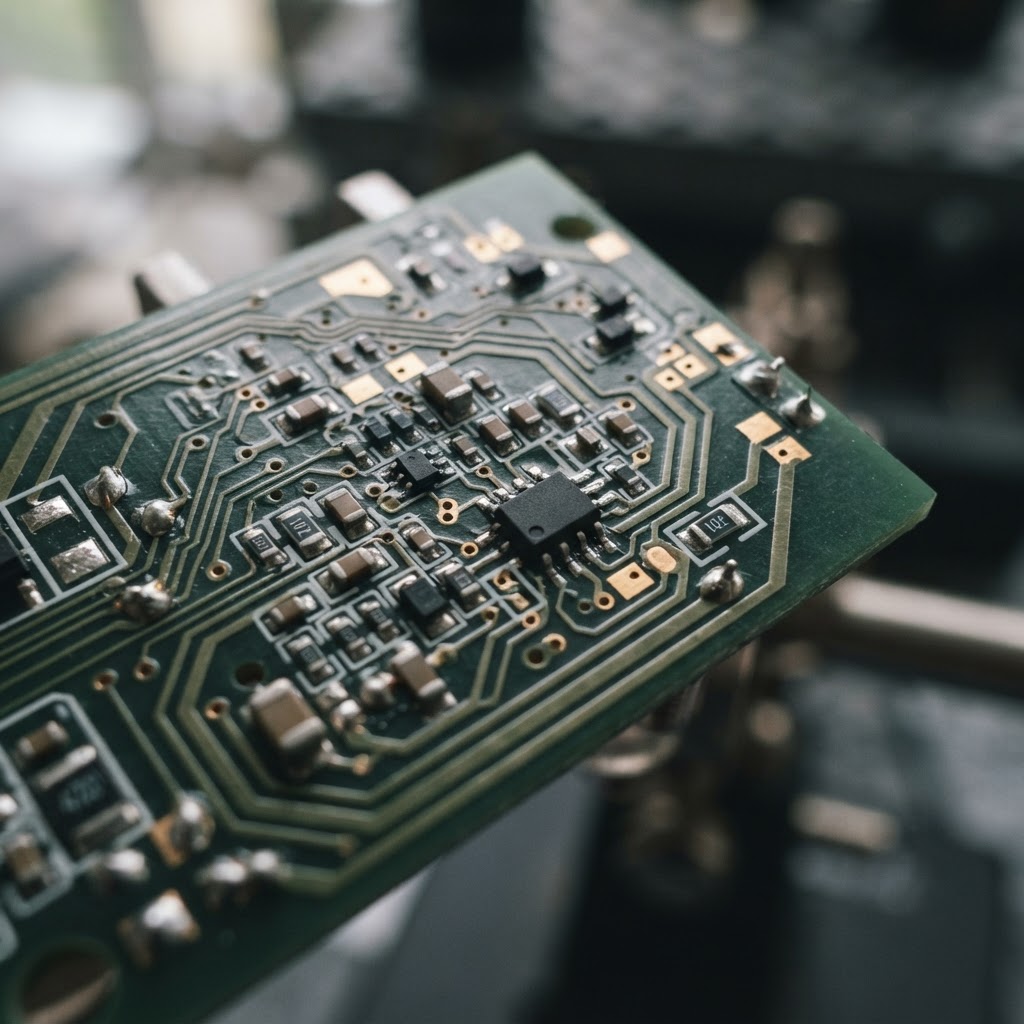
Many consumers assume that since LED bulbs are small, they are safe to toss in the trash. This is factually incorrect. LED bulbs contain trace amounts of lead, antimony, and rare earth elements such as yttrium and europium (Kowalski, 2026). These materials serve critical functions, such as the phosphor powder that allows LEDs to emit specific light colors.
Regulatory frameworks are beginning to reflect these risks. California includes all LED lamps under its Universal Waste Rule because lead levels in printed circuit board substrates average 1.8 milligrams per gram (Kowalski, 2026). Furthermore, states like Maine and Vermont impose strict limits on antimony due to flame-retardant resins, with 68 percent of tested MR16 bulbs exceeding these safety thresholds (Kowalski, 2026).
What does the current recycling reality look like?
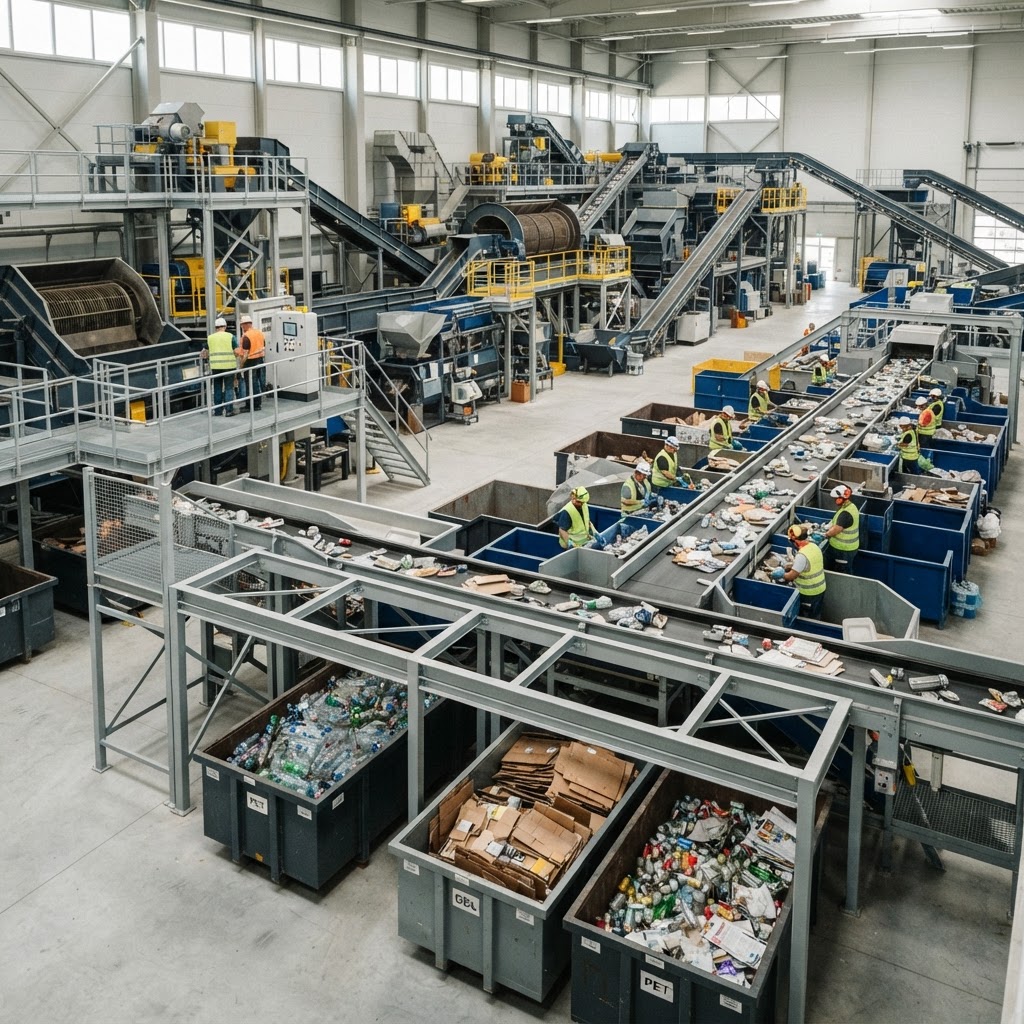
The infrastructure to process these bulbs is severely underdeveloped. In 2023, North America operated only seven dedicated processing lines for LED lamps, handling just 3,840 metric tons out of 31,200 metric tons placed on the market (Kowalski, 2026). This results in a massive 87.7 percent gap between available supply and processing capacity.
Even when LEDs are processed, recovery is imperfect. Facilities like the Veolia site in Chicago recover aluminum and copper, yet 198 kilograms per ton of input material still ends up as landfilled residual ash (Kowalski, 2026). The extraction of rare earth elements like yttrium and europium is chemically intensive, requiring significant amounts of nitric acid to achieve high recovery rates (Kowalski, 2026).
Is this part of a larger e-waste crisis?
LED waste is a microcosm of a much broader global problem. Global e-waste volumes reached 62 million tonnes in 2022, marking an 82 percent increase since 2010 (Nadi et al., 2025). Projections indicate this total will climb to 82 million tonnes by 2030 (Nadi et al., 2025).
The materials lost in landfills include valuable resources such as gold, silver, indium, and gallium (Nadi et al., 2025). As these components leach slowly into groundwater, they pose long-term environmental hazards. A 2023 study by the EPA measured antimony and europium concentrations in landfill leachate, confirming that these chemicals escape their protective housings over time (Kowalski, 2026).
What happens when you bury an LED bulb?
The disposal of an LED bulb is not a static event but a long-term chemical process. When a bulb is crushed in a waste compactor, the phosphor layers are exposed to environmental conditions (Kowalski, 2026). This breakage accelerates the leaching of heavy metals into the surrounding environment.
The environmental footprint includes the energy used in extraction, manufacturing, and transportation. When the bulb is thrown away rather than recycled, these embodied resources are effectively lost forever. This failure to implement a circular economy for lighting turns a sustainable product into a liability at the end of its useful life.
The recovery of rare earth elements from discarded LED lamps remains a complex bottleneck, as current recycling capacity is insufficient for the millions of units entering the waste stream annually.
How can consumers address this issue?
Consumers must move beyond the narrow focus on energy consumption and consider the total product lifecycle. First, verify whether your local municipality offers specific e-waste drop-off locations for fluorescent and LED lamps. Avoid placing these bulbs in standard household trash bins.
Second, prioritize products with modular designs that facilitate easier material separation. Before your next purchase of lighting, check the product's sustainability profile using the Fluven platform. Fluven provides a breakdown of a product's lifecycle sustainability score, helping you identify manufacturers that prioritize material recovery and ethical end-of-life management.
- 1.Kowalski, D. (2026, July 20). The disposal dilemma: Navigating LED lamp end-of-life in commercial and municipal lighting projects. TheWattDigest. https://thewattdigest.com/lighting-systems/disposal-dilemma
- 2.Nadi, S., Pourhossein, F., & Mousavi, S. M. (2025). Sustainable bio-extraction of rare earth elements from discarded LED lamps. Scientific Reports, 15, Article 21655. https://doi.org/10.1038/s41598-025-04937-x
- 3.U.S. Department of Energy. (2020, August). Adoption of light-emitting diodes in common lighting applications. https://www.energy.gov/cmei/ssl/led-adoption-report
- 4.U.S. Energy Information Administration. (2026, March 23). More U.S. homes used LEDs over other bulb types for indoor lighting in 2024. https://www.eia.gov/todayinenergy/detail.php?id=67368
This article was produced with the help of AI and reviewed for adherence to our editorial style guide. It is intended to give directional understanding of a sustainability topic, not to serve as professional, legal, or purchasing advice. Fluven is not responsible for any inaccurate, outdated, or misleading claims that may appear here. If you notice an error, please let us know.
Frequently Asked Questions
Are LED bulbs safe to throw in the trash?+
No. LED bulbs contain heavy metals like lead and antimony, making them hazardous electronic waste that should be handled through specialized recycling programs.
Why is it hard to recycle LED bulbs?+
Recycling is difficult because LEDs contain complex phosphor powders and rare earth elements that require energy-intensive, chemical-based recovery processes which are not yet widely available.
How much energy does an LED bulb save?+
LED adoption has saved 1.3 quadrillion Btu annually in the United States, providing significant operational efficiency compared to incandescent and halogen alternatives (U.S. Department of Energy, 2020).