
Is Glass Packaging Actually More Sustainable Than Plastic?
A lifecycle assessment reveals that glass often carries a higher environmental burden than single-use plastics.
James Yoo
Founder and Developer
James Yoo is the founder of Fluven, a sustainability intelligence platform that scores Amazon products on carbon, waste, and ethics at the point of purchase.
Key Takeaways
- Glass is often more environmentally impactful than plastic because it is heavy and requires high-temperature energy for production.
- A 2020 study shows that even 100 percent recycled glass can perform worse than plastic across multiple beverage categories.
- There is no single-use packaging material that is impact-free, making reusability the most effective strategy for sustainability.
- Recycling rates for glass remain relatively low, with millions of tons sent to landfills annually in the United States.
Glass is frequently viewed as the environmentally responsible alternative to plastic packaging. A comprehensive lifecycle assessment (LCA) conducted by researchers at the University of Southampton challenged this common assumption. The study concluded that glass bottles are more environmentally impactful than plastic bottles across every beverage category analyzed (Brock & Williams, 2020).
This finding applies even when using recycled glass. The primary drivers of this environmental cost are the significant weight of glass and the immense energy required to manufacture it. Moving toward sustainability requires a shift away from all single-use packaging rather than just replacing one material with another (University of Southampton, 2020).
How do researchers measure the true impact of packaging?
Determining the sustainability of a material requires more than analyzing whether it can be recycled. Lifecycle assessment methodology evaluates the total environmental burden of a product from its initial raw material extraction to its final disposal. This includes analyzing the global warming potential and the depletion of fossil fuels (Brock & Williams, 2020).
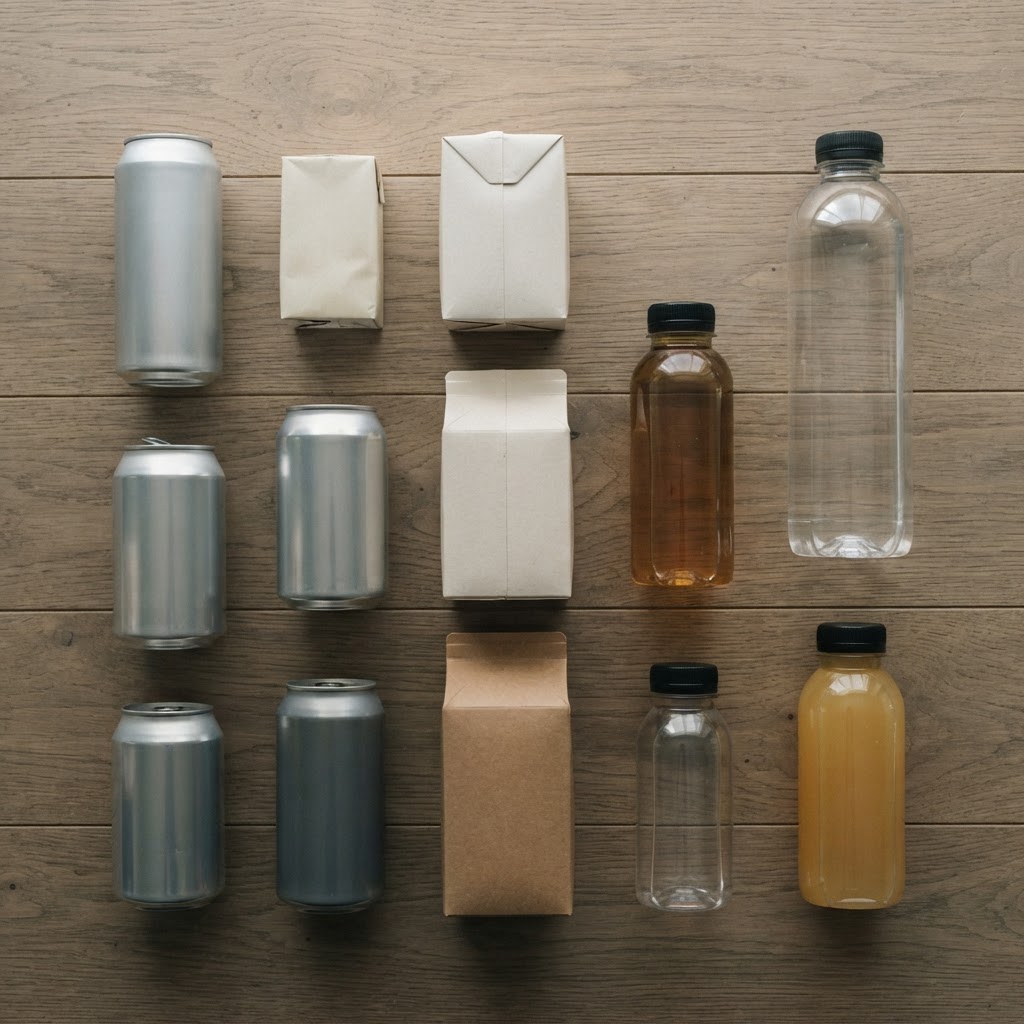
Focusing solely on recyclability often leads to a limited understanding of environmental harm. The researchers examined various materials, including virgin and recycled glass, polyethylene terephthalate (PET) plastic, high-density polyethylene (HDPE) plastic, aluminum cans, and Tetra Pak-style cartons. By comparing these materials across beverage categories like milk, juice, and carbonated drinks, the study identified clear performance differences (Brock & Williams, 2020).
Why does glass perform worse than plastic in these studies?
Glass is heavy and brittle, which creates logistical challenges during transport. The energy required to move glass containers is significantly higher than that of lightweight plastic or aluminum. When combined with the high-temperature melting processes necessary for glass manufacturing, the cumulative carbon footprint grows substantially (Brock & Williams, 2020).
Even the use of 100 percent recycled glass did not alleviate this burden enough to outperform plastic in the study. The energy needed for recycling and the logistics of heavy glass packaging consistently contributed to higher environmental impact scores. These metrics suggest that the traditional perception of glass as a inherently superior material is not supported by the data (University of Southampton, 2020).
What is the current scale of the plastic waste issue?
While glass may have high manufacturing impacts, plastic poses its own significant challenges, particularly regarding waste accumulation and global production. Global plastic production has risen annually since the end of the Second World War. Current estimates suggest that production is at least 380 million tonnes (University of Southampton, 2020).
In the United Kingdom alone, the usage of plastic bottles exceeds 13 billion units per year. This volume creates persistent waste management issues that are distinct from the energy-intensity problems associated with glass. Acknowledging the impact of plastic production remains a vital step in understanding the broader context of packaging sustainability (University of Southampton, 2020).
Does glass recycling solve the waste problem effectively?
Recycling rates for glass in the United States demonstrate that significant quantities of material are not being recovered. According to the U.S. Environmental Protection Agency (2020), the recycling rate for glass containers stood at approximately 31.3 percent in 2018. Out of 12.3 million tons of glass generated, only 3.1 million tons were recycled.
This means that a large portion of glass still reaches landfills. In 2018, approximately 7.6 million tons of glass were sent to landfills in the United States. This volume represented 5.2 percent of all municipal solid waste landfilled during that year, while glass as a whole accounted for 4.2 percent of total municipal solid waste generation (U.S. Environmental Protection Agency, 2020).
National glass recycling rate
Glass sent to landfill
Total municipal solid waste share
Are there better alternatives for beverage packaging?
The research identified performance variations among different container types based on the beverage being packaged. For carbonated, pressurised drinks, 100 percent recycled aluminum cans proved to be the least impactful packaging choice. For fruit juice, Tetra Pak-style cartons were found to be the most efficient option (Brock & Williams, 2020).
When assessing milk packaging, plain milk cartons performed better than other options because they lack the aluminum layers found in many composite cartons. These findings demonstrate that sustainability is highly dependent on the specific application. There is no single universal material that offers the lowest environmental impact across all scenarios (Brock & Williams, 2020).
Why must we shift to reusable containers?
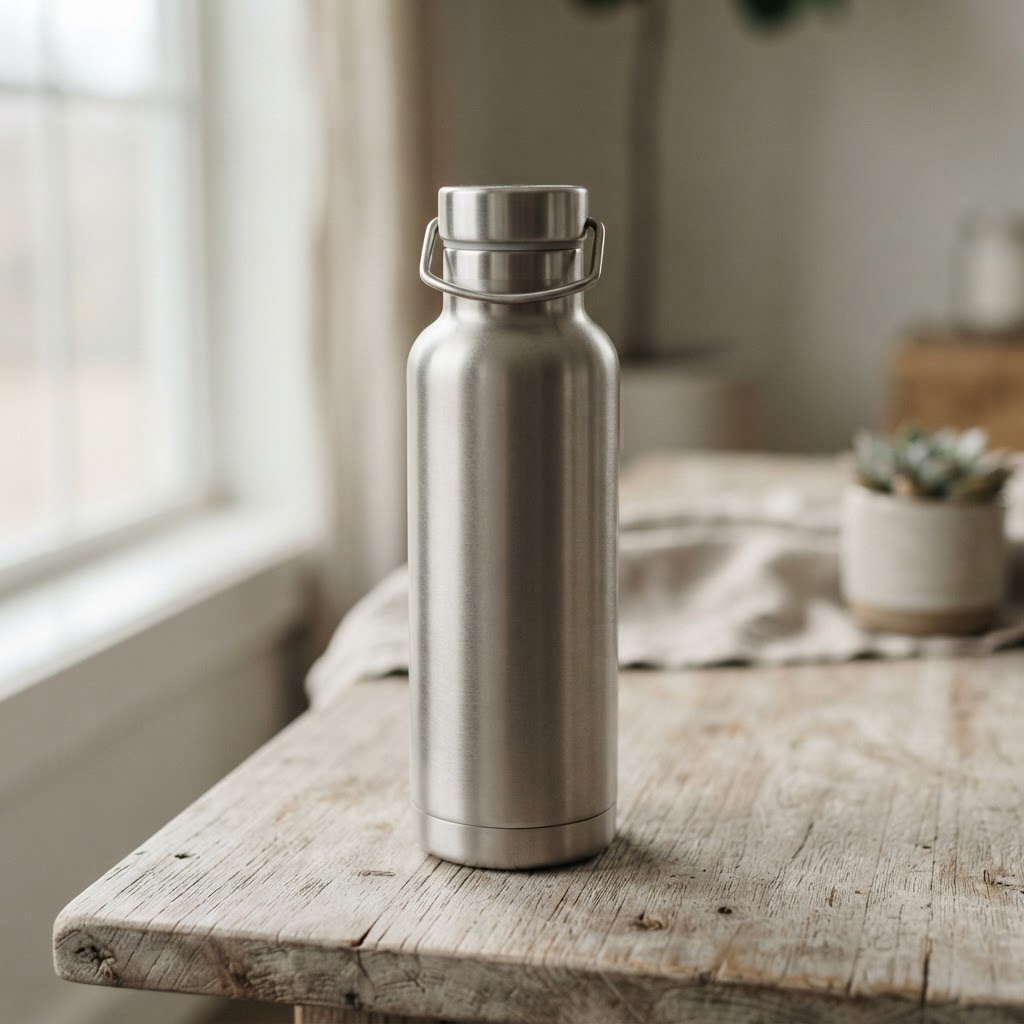
Based on the evidence, society needs to move away from single-use beverage packaging in order to reduce environmental harm and embrace the regular everyday use of reusable containers as standard practice.
The research emphasizes that no single-use material is entirely impact-free. Every choice involving single-use packaging carries an environmental cost. The transition to reusable containers represents the only approach that truly minimizes cumulative harm throughout the entire product lifecycle (University of Southampton, 2020).
What does this mean for the consumer?
Consumers should be cautious about labels or marketing claims that prioritize one single-use material as inherently better. The weight and energy required to produce and transport glass often outweigh its recyclability benefits. Prioritizing reduced consumption and selecting reusable options provides a more reliable path toward sustainability.
Evaluate your own purchasing habits to identify where single-use items can be replaced by reusable alternatives. When you are buying products on Amazon, use the Fluven platform to check a product's sustainability score so you can make informed decisions based on data rather than industry assumptions.
- 1.Brock, A., & Williams, I. D. (2020). Life cycle assessment of beverage packaging. Detritus: Journal for Waste Resources and Residues. https://doi.org/10.31025/2611-4135/2020.14025
- 2.U.S. Environmental Protection Agency. (2020). Glass: Material-specific data. https://www.epa.gov/facts-and-figures-about-materials-waste-and-recycling/glass-material-specific-data
- 3.University of Southampton. (2020, November 18). Glass bottles amongst the most environmentally impactful says Southampton study. https://www.southampton.ac.uk/news/2020/11/drink-bottles-environmental-impact.page
This article was produced with the help of AI and reviewed for adherence to our editorial style guide. It is intended to give directional understanding of a sustainability topic, not to serve as professional, legal, or purchasing advice. Fluven is not responsible for any inaccurate, outdated, or misleading claims that may appear here. If you notice an error, please let us know.
Frequently Asked Questions
Why is glass considered less sustainable in these studies?+
Glass is heavier than plastic and requires significant energy to produce, which increases its overall carbon footprint throughout its lifecycle (Brock & Williams, 2020).
Is recycled glass better than plastic?+
No, the University of Southampton study found that even 100 percent recycled glass remains more environmentally impactful than plastic bottles in the categories tested (University of Southampton, 2020).
What is the best alternative to single-use packaging?+
The research suggests that shifting toward reusable containers as a standard practice is the most effective way to reduce cumulative environmental harm (Brock & Williams, 2020).