Are Local Flowers Always More Sustainable Than Imported Ones?
What a Climate Law class taught me about flowers
James Yoo
Founder and Developer
James Yoo is the founder and developer of Fluven, a free Chrome extension that scores Amazon products on carbon, waste, and ethics at the point of purchase. He writes about the sustainability claims and supply chains behind everyday purchases.
Key Takeaways
- Local does not reliably mean low carbon for cut flowers.
- Dutch tulips and roses grown in heated greenhouses can carry roughly six times the carbon of field-grown Kenyan flowers, even after air freight.
- How a flower was grown matters more than how far it traveled.
- Field-grown, sea-freighted, seasonal, and Fairtrade or Rainforest Alliance certified flowers tend to carry lower emissions.
A Dutch tulip grown in a heated greenhouse can carry roughly six times the carbon footprint of a rose flown in from Kenya, even after accounting for the flight. The reason is not distance. It is how the flower was grown. In the spring of 2022, I took Climate Law with Professor Michael Gerrard at Columbia University. Gerrard founded and directs the Sabin Center for Climate Change Law, the leading academic center on climate law in the world (Columbia Law School, n.d.).
On February 14, he opened class with a joke. It was Valentine's Day, and he wanted to buy flowers for his wife. As a climate law professor, he could not just walk into a shop. He had to research which flowers carried the lowest carbon footprint first.
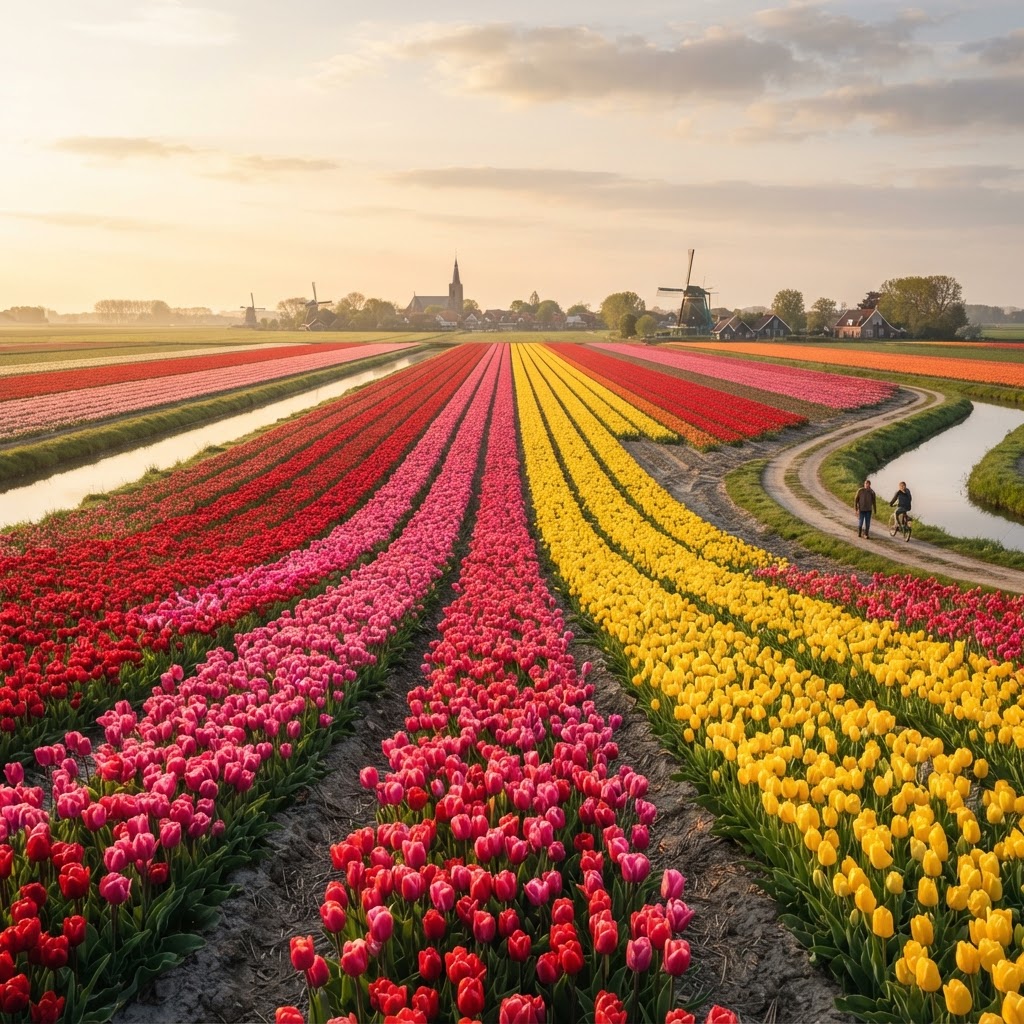
His research led him to an uncomfortable finding. The Dutch tulip, the flower most associated with the Netherlands, often carries one of the highest carbon footprints of any cut flower sold in Europe and North America. The culprit is not the flower itself. It is the greenhouse it grows in.
Why a Local-Sounding Flower Travels So Far in Emissions
The Netherlands is the center of the global flower trade. It accounts for only 10% of the world's flower production volume but handles 60% of global flower exports (Buckingham, 2016). Most people assume this makes Dutch flowers a low-carbon choice for European buyers, since they do not need to be flown across oceans.
The opposite is often true. Dutch flowers are grown in heated, artificially lit greenhouses to survive the country's cold, low-light winters. A landmark 2007 study from Cranfield University compared 12,000 rose stems grown in Kenya against 12,000 grown in the Netherlands (Williams, 2007). The results:
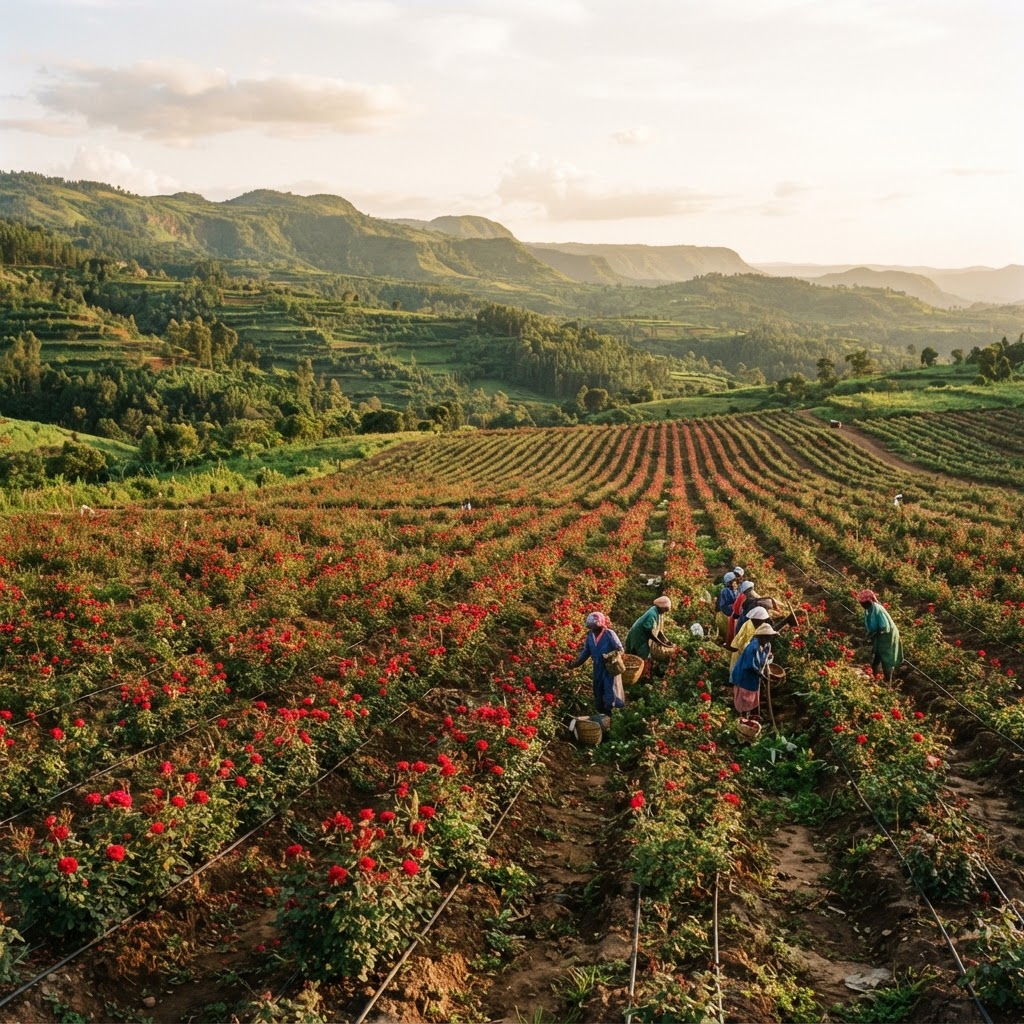
CO2 for 12,000 Kenyan roses, grown in open fields under natural sun
CO2 for 12,000 Dutch roses, grown in heated glasshouses
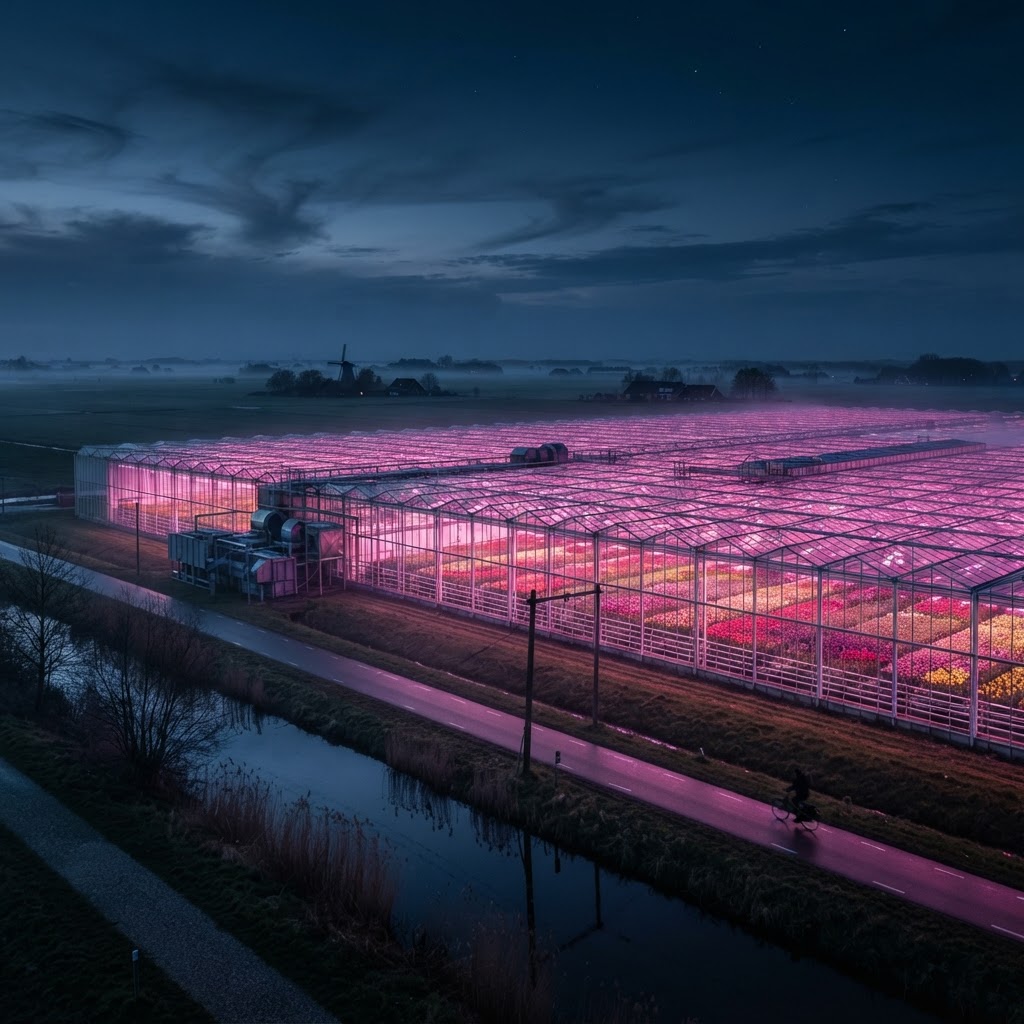
That is roughly six times more carbon per stem for the Dutch flowers, even after accounting for the long-haul flight the Kenyan roses take to reach European buyers (Williams, 2007).
The Kenya Paradox
This is the finding that surprises most people. Air freight is the most carbon-intensive form of cargo transport in common use, producing far more emissions per ton-mile than ocean shipping (Timms & Bek, 2025). Common sense suggests that flying a rose from Nairobi to Amsterdam should always cost the climate more than growing one next door.
Growing conditions can matter more than food miles.
Common sense is wrong here because it ignores the energy cost of the greenhouse itself. Heating, artificial lighting, and climate control in a Dutch winter greenhouse consume more energy than a transatlantic flight adds to a Kenyan-grown flower (Lan et al., 2022; Williams, 2007).
This does not mean every imported flower beats every local one. It means the honest answer depends on how the flower was grown, not simply on how far it traveled.
What Actually Drives Flower Emissions
Research on flower life cycles points to three consistent drivers:
- Greenhouse energy use. Heating and supplemental lighting in cold climates are the single largest source of emissions for many cut flowers (Lan et al., 2022).
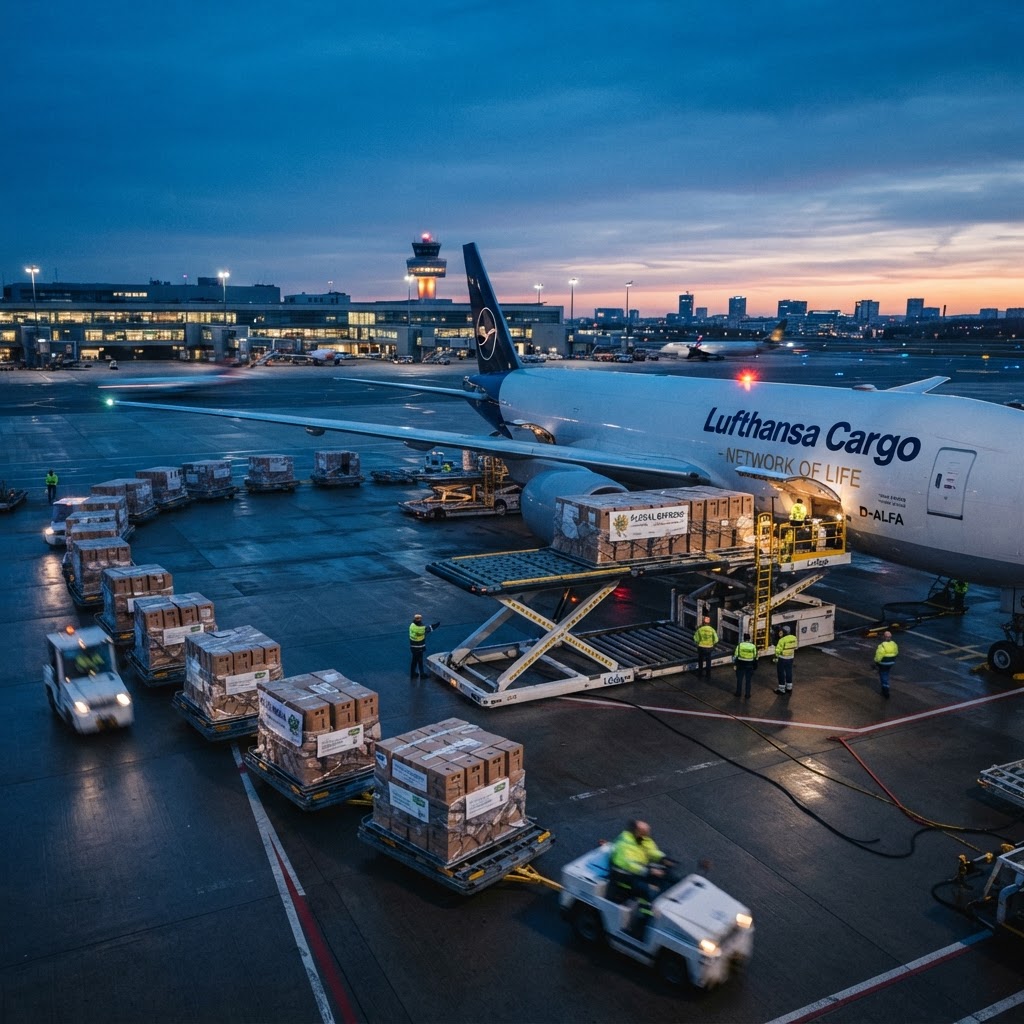
- Mode of transport. Air freight generates significantly more emissions per stem than sea freight. Fairtrade International (2023) found that roses shipped by sea produced 86% lower emissions than the same roses shipped by air.
- Cold chain logistics. Refrigeration during storage and transit adds further energy demand across the flower's life cycle (Lan et al., 2022).
Flowers also carry environmental costs beyond carbon. The floriculture industry is a heavy user of agrochemicals, and flowers are exempt from many of the pesticide residue rules that apply to food crops (Buckingham, 2016). Cut flower production in water-stressed regions like Kenya's Lake Naivasha basin also raises questions about virtual water exports, even as the industry provides significant local income (Buckingham, 2016).
A Practical Takeaway
None of this means flowers should be avoided. It means the labels people trust, like "local" or "imported," do not reliably predict carbon impact on their own. A few practical steps for buyers:
- Ask how the flower was grown, not just where. A field-grown flower from a warm climate often beats a greenhouse-grown flower from a cold one.
- Favor sea-freighted flowers where available. The emissions gap versus air freight is large and well documented (Fairtrade International, 2023).
- Look for Fairtrade or Rainforest Alliance certification, which addresses both labor standards and some environmental practices.
- Buy seasonally. Out-of-season flowers are the ones most likely to require heated greenhouses or long-haul flights.
For businesses in the flower and gift supply chain, the implication is direct. Marketing a flower as "local" without accounting for growing conditions can overstate its sustainability, and understating a well-managed imported product's advantage can undercut a genuinely lower-carbon supplier. Accurate, source-checked claims protect both consumer trust and long-term brand credibility.
Not "where did this flower come from," but "how was it grown, and how did it get here."
References
- 1.Buckingham, K. (2016, February 9). What are the environmental costs of Valentine's Day flowers? World Resources Institute. https://www.wri.org/insights/what-are-environmental-costs-valentines-day-flowers
- 2.Columbia Law School. (n.d.). Michael B. Gerrard. Retrieved August 8, 2026, from https://www.law.columbia.edu/faculty/michael-gerrard
- 3.Fairtrade International. (2023). Life cycle assessment: Cut roses. https://www.fairtrade.net/content/dam/fairtrade/fairtrade-germany/studien/2023_Fairtrade-Life-Cycle-Assessment-Cut-Roses.pdf
- 4.Lan, Y.-C., Tam, V. W. Y., Xing, W., Datt, R., & Chen, Z. (2022). Life cycle environmental impacts of cut flowers: A review. Journal of Cleaner Production, 369, Article 133415. https://doi.org/10.1016/j.jclepro.2022.133415
- 5.Timms, L., & Bek, D. (2025, February 13). Why 'low carbon' roses are flown around the world. The Conversation. https://theconversation.com/why-low-carbon-roses-are-flown-around-the-world-249769
- 6.Williams, A. (2007). A comparative study of cut roses for the British market produced in Kenya and the Netherlands. Cranfield University, Precision Decisions.
This article was produced with the help of AI and reviewed for adherence to our editorial style guide. It is intended to give directional understanding of a sustainability topic, not to serve as professional, legal, or purchasing advice. Fluven is not responsible for any inaccurate, outdated, or misleading claims that may appear here. If you notice an error, please let us know.
Frequently Asked Questions
Are local flowers always better for the climate than imported ones?+
No. A flower grown in a heated, artificially lit greenhouse can carry more carbon than one flown in from a warm climate where it grows outdoors in natural sun.
Why do Dutch tulips have such a high carbon footprint?+
Dutch cut flowers are often grown in heated, artificially lit greenhouses through the cold winter, and that energy use outweighs the shorter shipping distance.
How can I buy lower-emission flowers?+
Favor field-grown, sea-freighted, seasonal, and Fairtrade or Rainforest Alliance certified flowers where available.