Is Recycled Polyester Actually More Sustainable Than Virgin Polyester?
Beyond the plastic bottle label, the true environmental cost of synthetic fibers relies on production methods and usage habits.
James Yoo
Founder and Developer
James Yoo is the founder of Fluven, a sustainability intelligence platform that scores Amazon products on carbon, waste, and ethics at the point of purchase.
Key Takeaways
- Recycled polyester reduces demand for new petrochemicals but does not prevent microfiber shedding during use.
- Fabric construction, such as fleece versus woven filaments, is a stronger predictor of fiber loss than whether the material is recycled or virgin.
- Research confirms no statistically significant difference in shedding rates between identical virgin and mechanically recycled polyester garments.
- Consumer interventions like installing laundry lint traps can capture up to 90% of shed fibers, preventing them from entering the water system.
Recycled polyester is not automatically more sustainable than its virgin counterpart when evaluated across a garment's entire lifecycle. While recycled polyester avoids the initial petrochemical inputs required for virgin production, it fails to address the pervasive issue of microfiber shedding during the laundering process. Peer-reviewed research indicates no statistically significant difference in shedding rates between identical textile structures made from virgin versus recycled polyester (Gao et al., 2024).
How is the environmental impact of virgin polyester measured?
The production of virgin polyester relies heavily on the extraction of fossil fuels. This process requires significant amounts of energy to convert raw petrochemicals into stable synthetic polymers (Textile Exchange, 2026).
The environmental footprint is largely dictated by the synthesis of monomers. These chemical building blocks include monoethylene glycol, purified terephthalic acid, and dimethyl terephthalate (Textile Exchange, 2026).
Regional data is essential for accurate impact assessments. Recent industry reports provide the first reliable datasets for virgin polyethylene terephthalate production in Southeast Asia, the region responsible for over half of global supply (Textile Exchange, 2026).
What are the primary sustainability hotspots in recycled polyester?
Recycling methods are categorized by their technical approach, with thermomechanical and chemical processes presenting different challenges. Each method introduces distinct environmental trade-offs during production (Textile Exchange, 2026).
For thermomechanical recycling, the two most critical hotspots involve energy consumption and the logistics of feedstock collection. Transporting waste materials over long distances to processing centers significantly inflates the carbon footprint of the resulting fiber (Textile Exchange, 2026).
Chemical recycling presents a different set of obstacles. The high energy demand for heat and electricity, coupled with the use of chemical solvents like methanol, defines the impact profile of this recycling route (Textile Exchange, 2026).
Does recycled polyester shed fewer microfibers?
A common consumer assumption is that recycled materials perform differently in the wash. However, laboratory abrasion testing shows otherwise. Researchers compared identical commercial textiles to determine if fiber origin impacted microfiber release (Gao et al., 2024).
The study found no statistically significant difference in the number of microplastic fibers released during the washing of virgin versus mechanically recycled polyester fabrics (Gao et al., 2024).
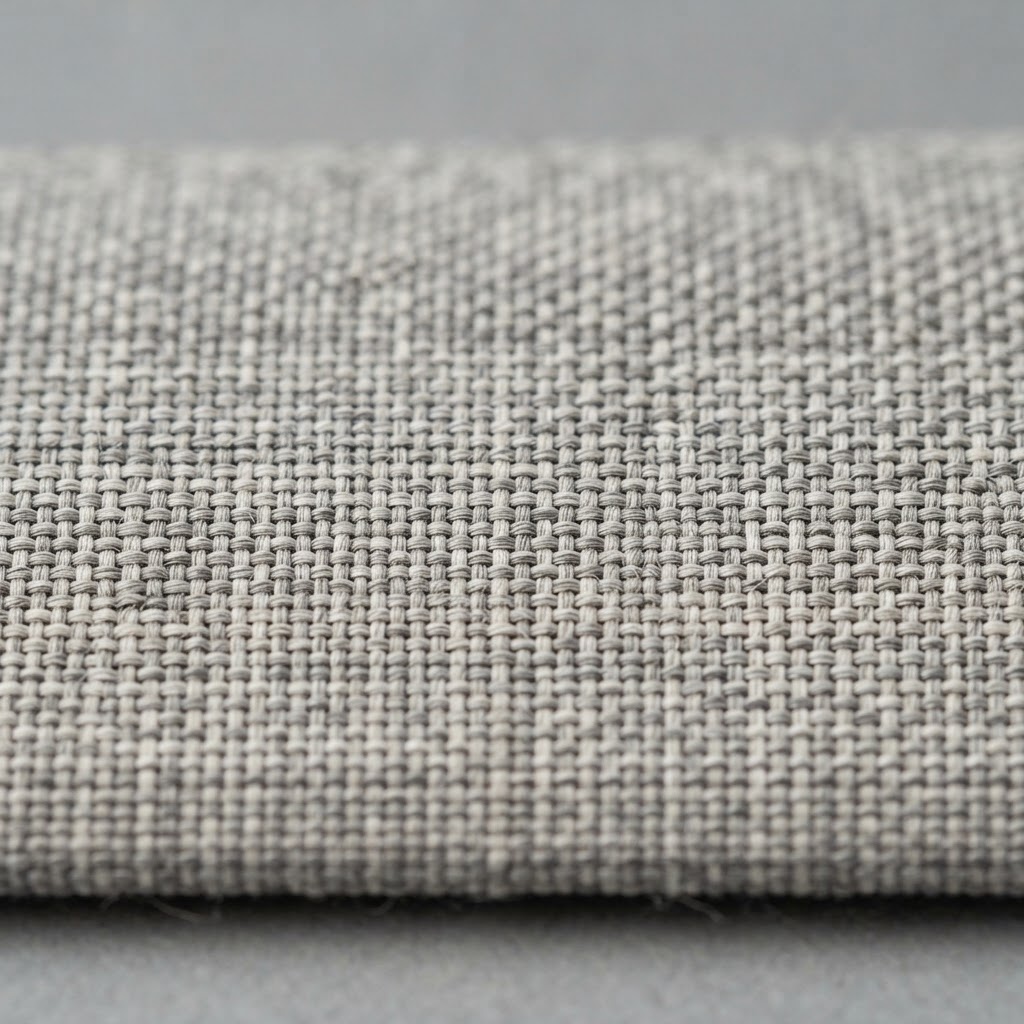
Fabric construction remains the primary driver of shedding. The use of filament versus staple yarns and the presence of specialized surface treatments exert more influence over microfiber release than the initial origin of the recycled content (Gao et al., 2024).
maximum recorded microfiber loss per kilogram of textile per wash (Vassilenko et al., 2021)
increased shedding of polyester fleece compared to filamentous nylon (Vassilenko et al., 2021)
Why does garment construction matter more than the source material?
Consumer apparel research has identified a massive range in shedding potential. Experiments measuring 37 different textiles found that microfiber loss ranged from 9.6 mg to 1,240 mg per kilogram of fabric (Vassilenko et al., 2021).
This equates to a staggering range of 8,809 to over 6.8 million microfibers released per single wash cycle (Vassilenko et al., 2021).
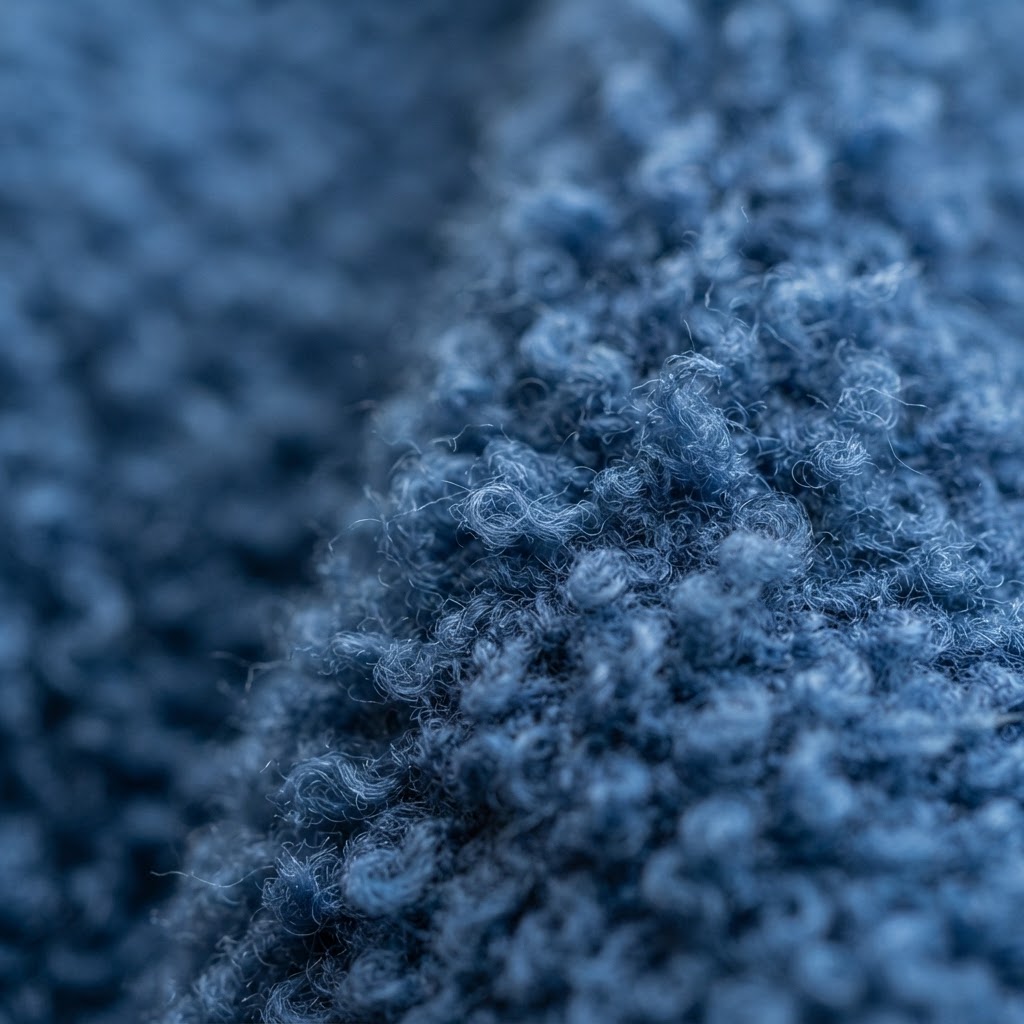
Mechanically treated polyester samples, such as fleeces and jerseys, shed significantly more than woven nylon fabrics. This variance confirms that construction and fiber type are the primary determinants of pollution, rather than whether the fiber was recycled or virgin (Vassilenko et al., 2021).
Are there other materials that shed as much as polyester?
Synthetic fibers are not the only culprits in the microfiber crisis. Natural fibers also contribute significantly to the total volume of fibers released into aquatic systems during laundry (Vassilenko et al., 2021).
Textiles made from cotton and wool were found to shed approximately 165 mg per kilogram per wash cycle. This figure is comparable to the shedding rates measured for many synthetic polyester fleeces (Vassilenko et al., 2021).
How can consumers mitigate the impact of shedding?
While manufacturers prioritize fiber origin, consumers have the ability to address the use phase. Interventions at the appliance level can catch a significant portion of fiber loss before it reaches the environment (Vassilenko et al., 2021).
- Install laundry lint traps.Studies have shown that these devices can capture up to 90 percent of polyester fibers before they exit the machine (Vassilenko et al., 2021).
- Select durable constructions.Opt for woven textiles and filamentous yarns over fleeces and soft jerseys which shed fibers more readily (Vassilenko et al., 2021).
- Maintain machines properly.Frequent cleaning of internal filters prevents the bypass of fibers into wastewater systems (Vassilenko et al., 2021).
The shedding magnitude is driven by fabric construction rather than fiber origin, making consumer-side interventions a necessary part of the broader sustainability solution.
Practical Takeaways
Choosing recycled polyester avoids the environmental burdens of virgin petrochemical feedstock, yet it does not solve the long-term issue of microfiber shedding. A garment's sustainability must be viewed through both its production and its usage. Before purchasing apparel, use the Fluven platform to check the comprehensive sustainability score of the product, including its construction and material impact data.

- 1.Gao, M., Yang, T., Som, C., & Nowack, B. (2024). Differences in the release of microplastic fibers and fibrils from virgin and recycled polyester textiles. Resources, Conservation and Recycling, 207, 107659. https://doi.org/10.1016/j.resconrec.2024.107659
- 2.Textile Exchange. (2026). Polyester life cycle assessment (LCA) study. Textile Exchange. https://textileexchange.org/knowledge-center/reports/polyester-life-cycle-assessment/
- 3.Vassilenko, E., Watkins, M., Chastain, S., Mertens, J., Posacka, A. M., Patankar, S., & Ross, P. S. (2021). Domestic laundry and microfiber pollution: Exploring fiber shedding from consumer apparel textiles. PLOS ONE, 16(7), e0250346. https://doi.org/10.1371/journal.pone.0250346
This article was produced with the help of AI and reviewed for adherence to our editorial style guide. It is intended to give directional understanding of a sustainability topic, not to serve as professional, legal, or purchasing advice. Fluven is not responsible for any inaccurate, outdated, or misleading claims that may appear here. If you notice an error, please let us know.
Frequently Asked Questions
Does recycled polyester shed fewer microfibers than virgin polyester?+
No. Peer-reviewed abrasion testing shows no statistically significant difference in microfiber release between identical textile structures made from either fiber (Gao et al., 2024).
What is the biggest driver of microfiber shedding in clothing?+
Fabric construction is the primary driver. For example, polyester fleeces shed up to six times more fibers than woven nylon garments (Vassilenko et al., 2021).
Can I prevent polyester fibers from entering the ocean?+
Yes. Laundry lint traps can retain up to 90% of fibers shed by polyester textiles during the washing cycle (Vassilenko et al., 2021).