Does Switching to a Reusable Water Bottle Actually Make a Difference?
An analysis of the lifecycle burden of materials and the behavioral barriers to true sustainability.
James Yoo
Founder and Developer
James Yoo is the founder of Fluven, a sustainability intelligence platform that scores Amazon products on carbon, waste, and ethics at the point of purchase.
Key Takeaways
- Reusable bottles carry a higher manufacturing carbon footprint than PET plastic bottles.
- Environmental benefit is only achieved through consistent, long-term reuse of a product.
- Convenience, hygiene concerns, and lack of refill infrastructure are major barriers to consistent reuse.
- PET plastic recycling rates remain below 40 percent in the United States, indicating systemic waste issues.
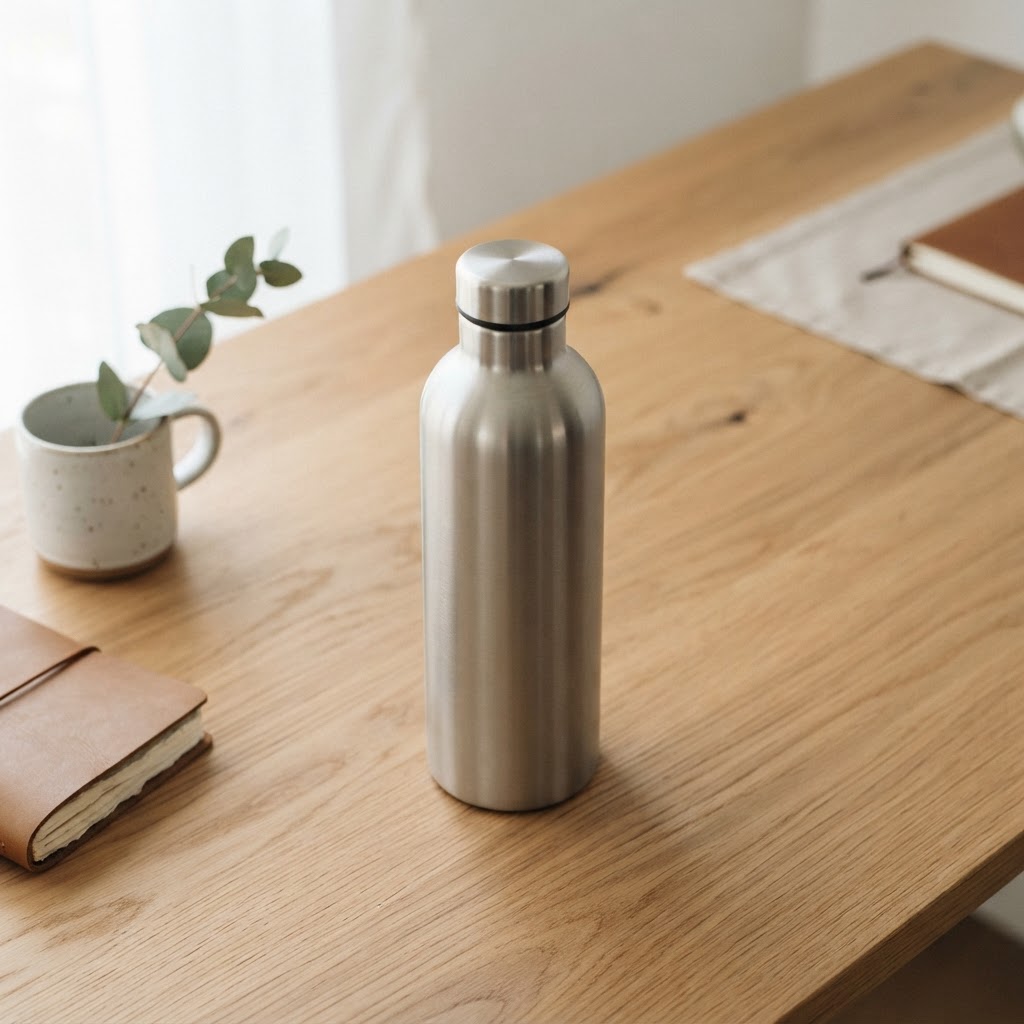
Switching to a reusable water bottle only offers a net environmental benefit after the user hits a specific threshold of repeated use. Because the manufacturing of aluminum or stainless steel bottles requires significantly more energy than a single-use PET plastic bottle, these products start with a higher environmental deficit. A 2023 lifecycle assessment determined that aluminum production contributes more to greenhouse gas emissions and water consumption per serving than PET plastic (National Association for PET Container Resources, 2023).
Why does material choice matter?
The environmental footprint of a product begins long before it reaches the consumer. Manufacturing processes for various materials involve different scales of carbon emissions, water usage, and chemical inputs. When evaluating hydration options, it is essential to distinguish between the waste management phase and the production phase.
PET plastic bottles are highly resource-intensive to produce at scale. However, they remain the dominant category of plastic container waste in the United States, as noted by EPA data (U.S. Environmental Protection Agency, 2023). Their light weight means lower transportation emissions compared to heavier materials like glass or certain metals.
A lifecycle assessment by Franklin Associates found that PET plastic outperforms both glass and aluminum in areas like acidification potential and eutrophication (National Association for PET Container Resources, 2023). This does not mean plastic is the perfect solution, but it highlights that metal containers require significant usage to offset their manufacturing burden.
Is the recycling rate for plastic improving?
Recycling is often cited as the primary reason to avoid plastic, yet the infrastructure challenges remain significant. In 2023, the US PET bottle collection rate reached 33 percent (National Association for PET Container Resources, 2024). This figure represents the highest level since 1996, indicating incremental progress in recovery systems.
Despite this progress, approximately 67 percent of single-use PET bottles were not collected for recycling in 2023. This disparity leaves millions of tons of material as waste rather than feedstock for new products. Addressing this gap requires both better consumer participation and more robust processing infrastructure.
Do behavior barriers outweigh the choice of bottle?
Sustainability is as much about human behavior as it is about material science. A 2025 study conducted at Columbia University examined why students opted for single-use plastic despite having access to high-quality tap water (Yoo, 2025). The research demonstrated that personal choice often overrides environmental intent.
Participants reported that the inconvenience of carrying a bottle and the uncertainty regarding cleaning hygiene were primary factors. When a reusable bottle feels like a burden, consumers revert to the convenience of single-use options regardless of their personal values (Yoo, 2025).
Access to infrastructure also plays a role in these decisions. If a campus or workplace lacks readily available and clean refill stations, the friction increases. This makes the adoption of reusable habits significantly less likely even in progressive environments (Yoo, 2025).
uncollected US PET bottles in 2023
2023 US PET collection rate
How does location affect sustainability?
The practical feasibility of using a reusable bottle is tied to local circumstances. Communities with concerns about tap water quality often struggle to shift away from bottled water. In these cases, the environmental impact of infrastructure limitations must be weighed against the personal health requirements of the residents.
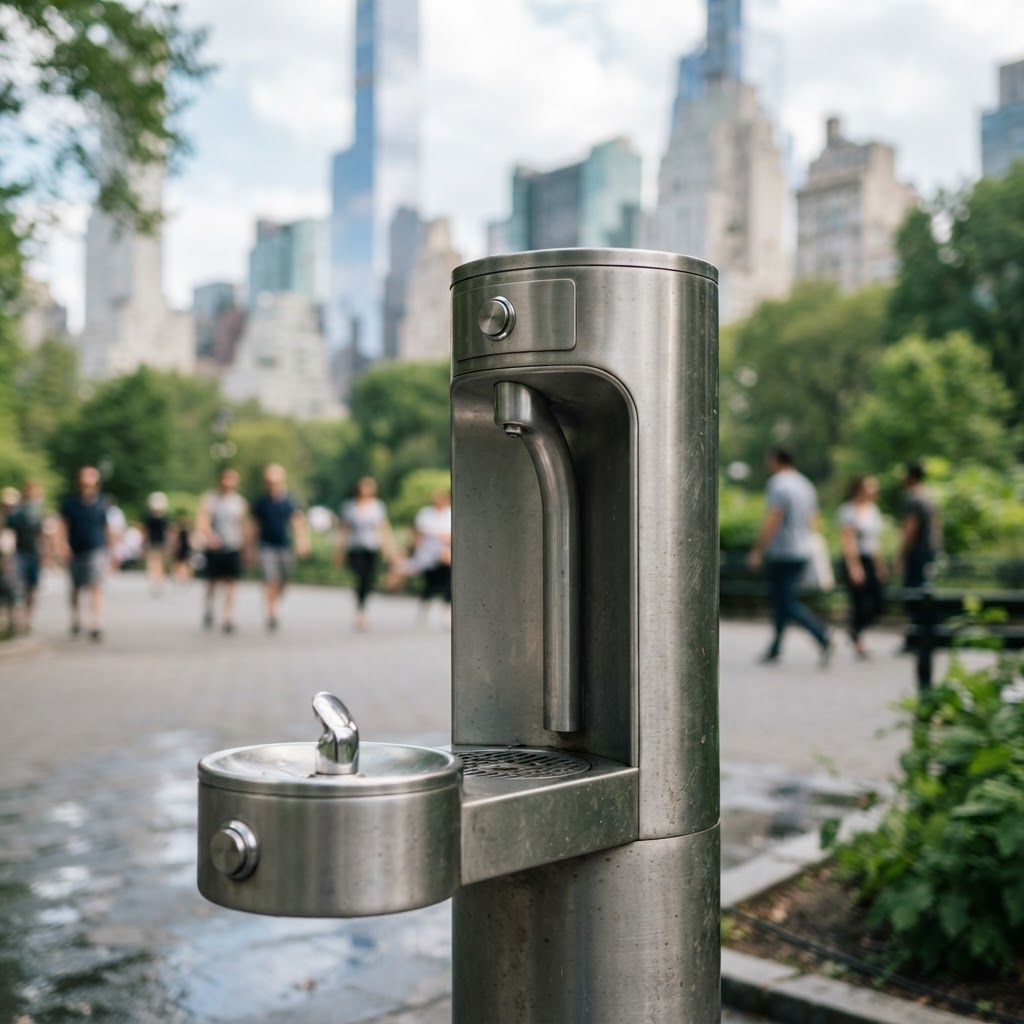
Infrastructure such as filtration systems or bottle-filling stations is not evenly distributed. Where such assets are missing, the likelihood of purchasing bottled water increases. This highlights that individual behavior cannot be separated from the built environment.
What is the true cost of convenience?
The market appeal of single-use bottles is built entirely on the concept of instant, low-friction hydration. Companies optimize for this portability, often at the expense of end-of-life circularity. As long as the infrastructure for reusing or recycling remains disjointed, this convenience will continue to drive purchase behavior.
Consumers must recognize that the environmental benefit of a reusable vessel is conditional. It is a long-term investment that requires consistent behavior to pay off. If a stainless steel bottle sits unused in a cupboard, its carbon footprint per use remains infinitely high.
- Inconvenience.The physical effort of carrying a bottle and managing refills.
- Hygiene concerns.Anxieties about cleaning reusable vessels properly.
- Infrastructure gaps.Lack of convenient and clean water access points.
How can you make a sustainable choice?
Sustainability is best approached by evaluating the life cycle of the products we buy. If you opt for a reusable bottle, choose one that is durable enough to withstand years of regular use. The most sustainable item is the one you already own and use consistently.
Before purchasing new hydration products, consider using the Fluven platform to check the sustainability score of specific items. Fluven helps you understand the carbon, waste, and ethics data behind your purchase choices. Aligning your habits with verified material data is the most effective way to drive meaningful impact.

- 1.National Association for PET Container Resources. (2023). PET life cycle assessment report 2023. Franklin Associates. https://napcor.com/pet-life-cycle-assessment-report-2023/
- 2.National Association for PET Container Resources. (2024). 2023 US PET bottle recycling rate reaches highest level in decades. NAPCOR. https://napcor.com/news/2023-pet-bottle-recycling-reach-new-heights/
- 3.U.S. Environmental Protection Agency. (2023). Plastics: Material-specific data. EPA. https://www.epa.gov/facts-and-figures-about-materials-waste-and-recycling/plastics-material-specific-data
- 4.Yoo, J. H. (2025). Motivators and hindrances of consuming reusable water bottles: An exploratory case study at Columbia University. Consilience, 27. https://doi.org/10.52214/consilience.vi27.12156
This article was produced with the help of AI and reviewed for adherence to our editorial style guide. It is intended to give directional understanding of a sustainability topic, not to serve as professional, legal, or purchasing advice. Fluven is not responsible for any inaccurate, outdated, or misleading claims that may appear here. If you notice an error, please let us know.
Frequently Asked Questions
Is it always better to use a reusable bottle?+
Not necessarily. Because metal and stainless steel bottles have a higher manufacturing footprint, they require a significant number of uses to offset their initial production impact compared to PET plastic.
What is the current US recycling rate for PET bottles?+
As of 2023, the US PET bottle collection rate was 33 percent, leaving approximately 67 percent of these plastic containers uncollected for recycling (National Association for PET Container Resources, 2024).