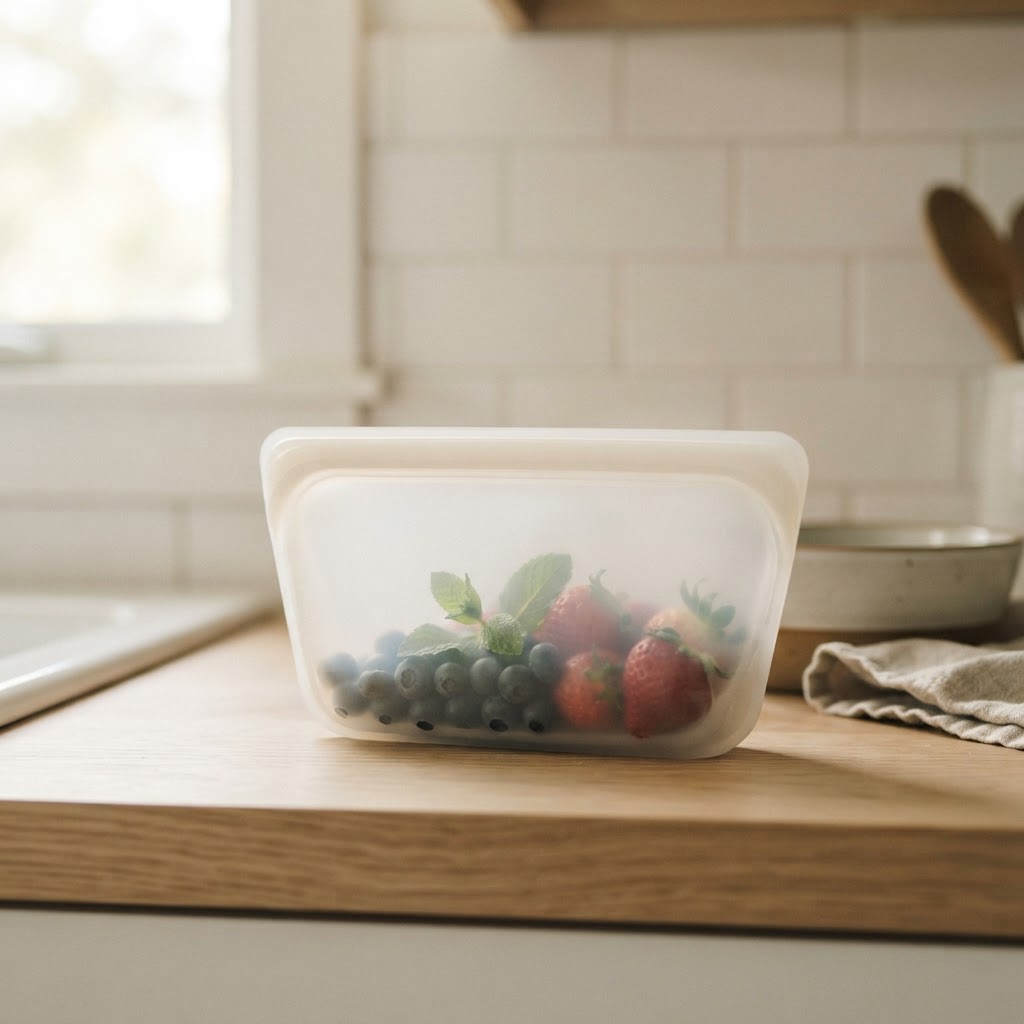
Is Silicone Food Storage Actually More Sustainable Than Plastic?
An analysis of the lifecycle impacts and disposal challenges associated with silicone food storage products.
James Yoo
Founder and Developer
James Yoo is the founder of Fluven, a sustainability intelligence platform that scores Amazon products on carbon, waste, and ethics at the point of purchase.
Key Takeaways
- Silicone manufacturing involves extreme temperatures, leading to a high initial energy investment compared to some plastics.
- Silicone is a thermoset polymer, meaning it cannot be melted and processed through standard municipal recycling systems.
- Chemical recycling of silicone is currently limited, managing less than 2% of annual global output.
- A net environmental benefit is only achieved if the product is used consistently over a very long period.
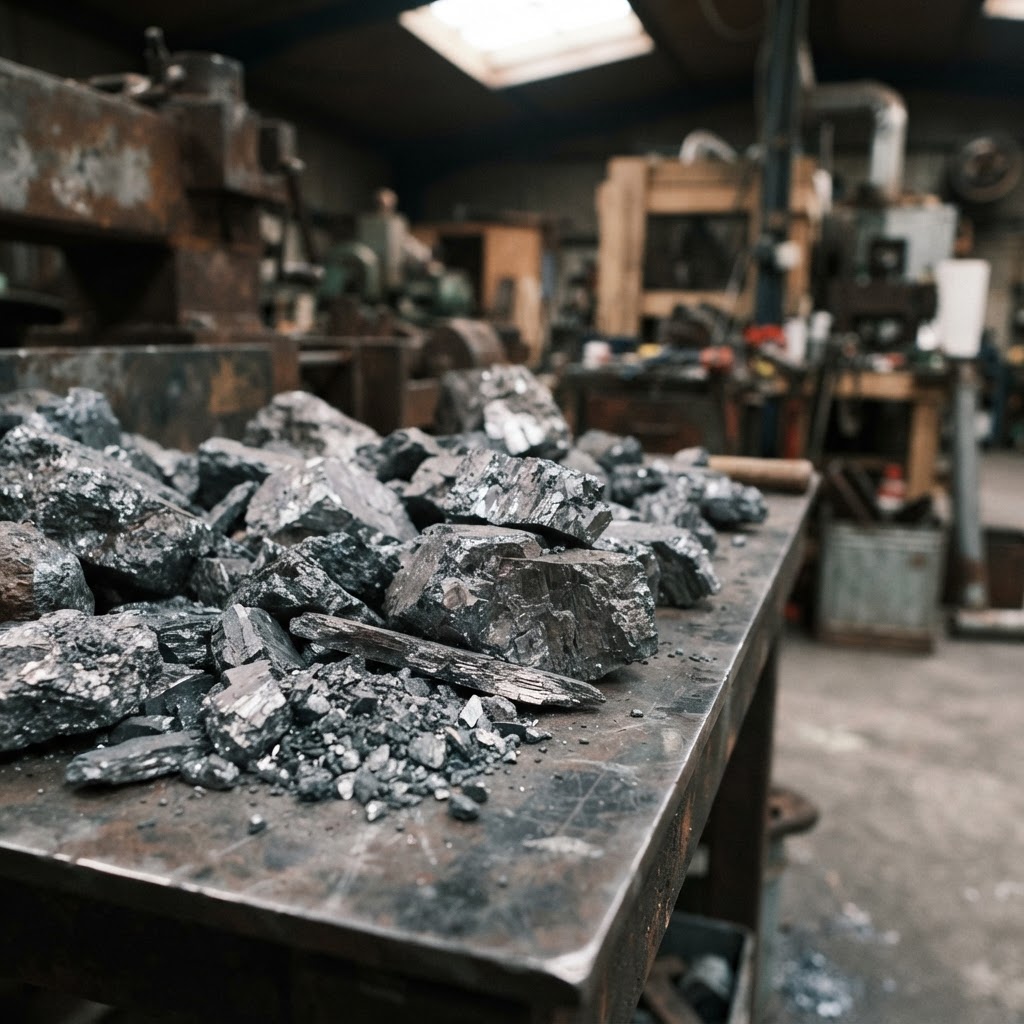
Silicone food storage is frequently viewed as a superior, environmentally friendly alternative to single-use plastics. However, current data indicates that silicone is not a universal solution for sustainable food management. A 2024 analysis reveals that silicone manufacturing is highly energy-intensive, often requiring electric arc furnace smelting at temperatures between 1,500 and 2,000 degrees Celsius, which is equivalent to or greater than those used in steel production (Wolf & Stammer, 2024).
The environmental performance of silicone depends heavily on how often a consumer uses the product and how it is managed at the end of its life. Research suggests that for alternative materials to outperform conventional plastics, they require optimized production, long-term reuse, and robust end-of-life systems, none of which currently fully support silicone food storage products (Dolci et al., 2024).
Why is the manufacturing process of silicone so energy-intensive?
Silicone, or more specifically polydimethylsiloxane, requires specific production conditions that result in significant environmental footprints. The silicon-oxygen backbone is created through a process that necessitates extreme heat. This energy demand originates from the smelting of raw materials in an electric arc furnace (Wolf & Stammer, 2024).
Because these temperatures reach up to 2,000 degrees Celsius, the initial carbon and energy investment for a single silicone bag is often much higher than that of a lightweight plastic bag. This means that a consumer must use a silicone item many hundreds of times to offset the initial production impacts. If the product is discarded before reaching this high-frequency use threshold, it fails to provide a net reduction in environmental burden (Wolf & Stammer, 2024).
What happens to silicone at the end of its life?
The primary barrier to silicone sustainability is its end-of-life management. Silicone is a thermoset polymer, meaning it is crosslinked during curing and cannot be melted or reshaped like standard thermoplastic materials. Because it does not soften under heat, it cannot enter existing mechanical recycling streams (Wolf & Stammer, 2024).
When consumers place silicone in standard municipal recycling bins, it acts as a contaminant. It is often sorted out at facilities and sent to landfills, or it may disrupt the processing of other plastics if it is not removed. Currently, there is no widespread infrastructure for collecting and processing silicone consumer waste effectively (Wolf & Stammer, 2024).
Is chemical recycling a viable solution?
Chemical recycling is often cited as a solution for materials that cannot be melted. This process, known as depolymerization, breaks the silicone down into oligomers that can then be used to manufacture new, virgin-grade material. While technically feasible, the current scale of this process is extremely limited in practice (Wolf & Stammer, 2024).
Estimated portion of annual silicone output that is chemically recycled
With approximately 3 million metric tons produced annually, only a tiny fraction of global silicone waste undergoes chemical recycling. Researchers estimate that this path accounts for about 35,000 to 45,000 metric tons per year. For most household consumers, accessing these recycling facilities is not currently possible (Wolf & Stammer, 2024).
How do consumer perceptions compare to lifecycle assessment findings?
There is a documented discrepancy between what consumers believe is sustainable and what life-cycle assessment (LCA) data reveals. A systematic review of 53 studies found that many consumers assume non-plastic alternatives are inherently better. However, the data frequently suggests that conventional plastics perform competitively when all impact categories are assessed throughout the full product lifecycle (Dolci et al., 2024).
Alternative packaging materials require optimized production processes, consistent long-term reuse by the consumer, and enhanced end-of-life infrastructure to be competitive with conventional plastics (Dolci et al., 2024).
What are the core requirements for silicone sustainability?
- Production Efficiency.Manufacturing processes must be improved to lower the energy intensive heat requirements.
- Usage Frequency.Products must be used for their entire intended lifespan without premature disposal.
- Circular Infrastructure.Waste management must move beyond simple landfilling to include scalable chemical recycling pathways.
Can contamination of recycling streams be avoided?
Silicone contamination is a growing concern for recycling facilities. Because silicone and plastic have different thermal properties, silicone particles mixed into plastic bales cannot be easily removed by standard sorting equipment. This can lead to the rejection of entire batches of recyclable plastic (Wolf & Stammer, 2024).
The inability of consumers to identify which items are silicone versus plastic adds another layer of complexity. Clearer labeling and better consumer education about the difference between thermoplastics and thermosets are necessary. Without such measures, well-intentioned consumers will continue to introduce non-recyclable materials into municipal systems (Wolf & Stammer, 2024).
What is the role of the consumer in this lifecycle?
The consumer holds the most influence over the lifecycle of a silicone product. Using the item until it reaches the end of its physical viability is essential. If a silicone bag is purchased as a trendy item and replaced within a few years, it will likely have a higher lifetime carbon impact than the single-use plastic it replaced (Dolci et al., 2024).
Before buying silicone food storage products, checking the product category on Fluven can help you assess whether a specific item has a lifecycle profile that justifies its higher production impact.

- 1.Dolci, G., Puricelli, S., Cecere, G., Tua, C., Fava, F., Rigamonti, L., & Grosso, M. (2024). How does plastic compare with alternative materials in the packaging sector? A systematic review of LCA studies. Waste Management & Research, 43(3), 339-357. https://pmc.ncbi.nlm.nih.gov/articles/PMC11874595/
- 2.Wolf, A. T., & Stammer, A. (2024). Chemical recycling of silicones: Current state of play (building and construction focus). Polymers, 16(15), 2220. https://pmc.ncbi.nlm.nih.gov/articles/PMC11314909/
This article was produced with the help of AI and reviewed for adherence to our editorial style guide. It is intended to give directional understanding of a sustainability topic, not to serve as professional, legal, or purchasing advice. Fluven is not responsible for any inaccurate, outdated, or misleading claims that may appear here. If you notice an error, please let us know.
Frequently Asked Questions
Can I put silicone bags in my curbside recycling bin?+
No, silicone should not be placed in curbside recycling bins. It is a thermoset polymer that does not melt, and it can contaminate batches of recyclable plastic (Wolf & Stammer, 2024).
Does silicone eventually biodegrade?+
Silicone is not biodegradable and will persist in landfills if not processed through specialized chemical recycling facilities (Wolf & Stammer, 2024).
Is silicone always a better choice than plastic?+
Not necessarily. Its environmental benefit depends on high usage frequency and proper end-of-life management, which are rarely achieved today (Dolci et al., 2024; Wolf & Stammer, 2024).