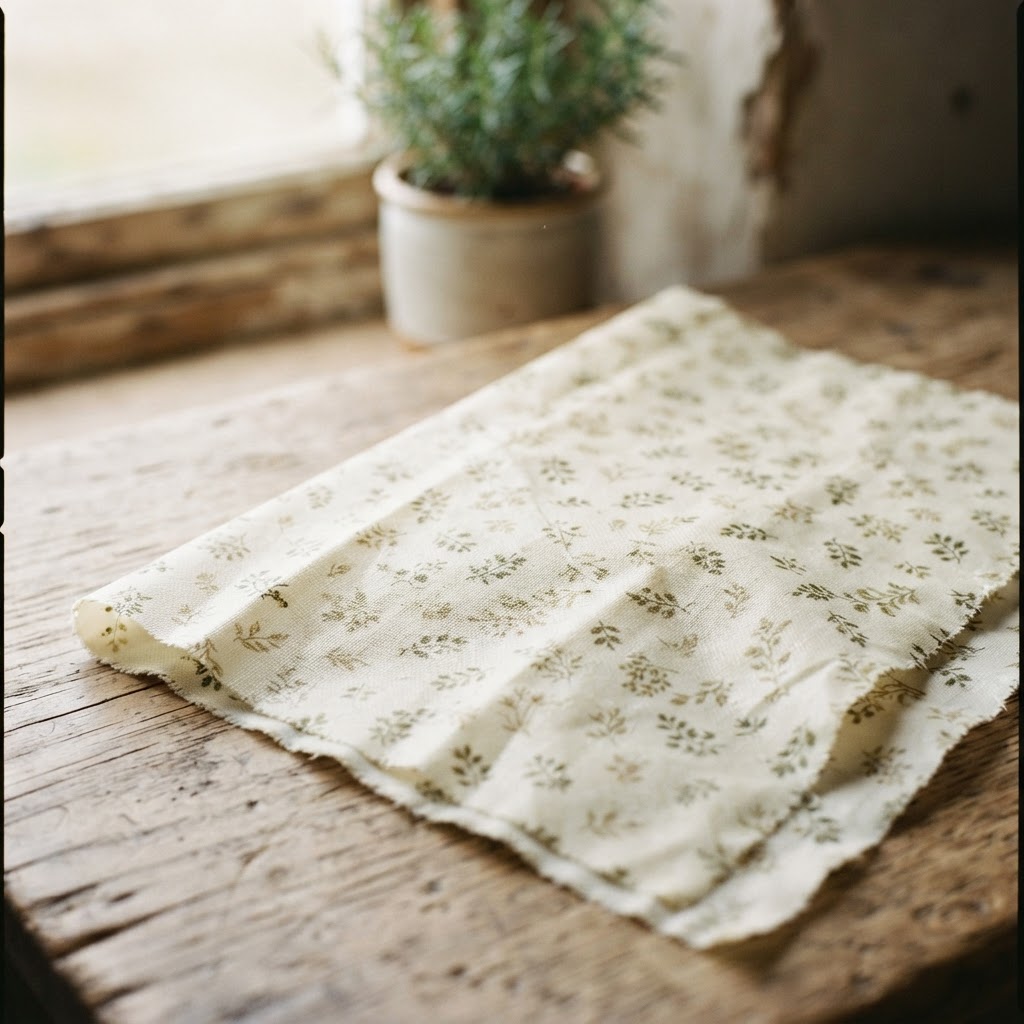
Is a Beeswax Wrap Actually More Sustainable Than Plastic Wrap?
Navigating the trade-offs between plastic waste reduction and the resource-intensive production of cotton textiles.
James Yoo
Founder and Developer
James Yoo is the founder of Fluven, a sustainability intelligence platform that scores Amazon products on carbon, waste, and ethics at the point of purchase.
Key Takeaways
- Beeswax wraps have a high initial environmental cost due to the intensive water and pesticide requirements of cotton cultivation.
- Plastic cling film requires less carbon to manufacture per unit, but creates significant landfill waste due to low recycling rates.
- A beeswax wrap only becomes more sustainable than plastic if it remains functional for at least one full year of consistent use.
- Beeswax wraps cannot replace plastic in all kitchen scenarios, specifically for hot foods or raw meat, due to safety and melting limitations.
Beeswax wraps are widely positioned as an intuitive, sustainable alternative to single-use plastic cling film. However, the environmental utility of these products is not inherently superior to plastic. According to the U.S. Environmental Protection Agency (2023), plastic bags, sacks, and wraps were among the least-recycled categories in 2018, contributing significantly to the 27 million tons of plastic waste that reached landfills that year. While moving away from single-use plastics is a clear environmental goal, the replacement material, typically cotton, carries its own substantial resource footprint.
What are the primary resource costs of a beeswax wrap?
The fundamental component of a beeswax wrap is cotton fabric. Cotton cultivation is notoriously water-intensive and often relies on significant chemical inputs. Research indicates that producing even a single cotton t-shirt can require approximately 20,000 liters of water (WWF, n.d.). This high water demand often strains regions already suffering from water scarcity.
Beyond water use, the cultivation process often involves synthetic pesticides and fertilizers. A systematic review published in Nature Reviews Earth and Environment highlights that cotton cultivation dominates the toxicity impacts of cotton textiles (Zhang et al., 2023). Moving toward alternative fibers like jute or flax could theoretically mitigate these impacts, but currently, most consumer beeswax wraps rely on conventional cotton.
How do plastic wraps compare in terms of production carbon?
To understand the replacement value, we must look at the production footprint of the plastic it intends to replace. Low-density polyethylene (LDPE), the standard resin for household cling film, produces approximately 1.5 kg of CO2 equivalent per kilogram during its cradle-to-gate production phase (American Chemistry Council, 2020).
This production intensity is relatively low on a per-unit weight basis compared to the manufacturing of complex textile products. The trade-off between the low carbon footprint of LDPE production and the high water footprint of cotton cultivation remains the central tension of the sustainable food-wrap debate.
Can a beeswax wrap actually perform as well as plastic?
Functionality is a key pillar of sustainability. If a product fails to perform its intended task, it creates food waste, which has its own environmental costs. Testing has shown that beeswax wraps are capable of maintaining food quality at levels comparable to plastic wraps in controlled environments (Atilano et al., 2025).
However, these laboratory findings have specific limitations. Beeswax wraps lack the versatility of plastic cling film. They cannot be used with hot food, as the wax melts at temperatures above 35 degrees Celsius, nor can they be used safely on raw meat or raw fish due to the inability to sanitize the fabric with high-heat cleaning methods.
What is the breakeven point for sustainability?
The environmental sustainability of a beeswax wrap is contingent on its longevity. Because of the initial water and agricultural costs associated with the cotton base, the wrap must be used repeatedly over a long duration to offset its own production footprint. The breakeven point requires the consumer to use the wrap consistently for at least one year.
In reality, many wraps reach the end of their functional life prematurely. Cracking, staining, and the inevitable loss of adhesion often cause users to discard wraps before they reach their full one-year potential. If a wrap is discarded at six months, it may not reach a net positive impact compared to the single-use plastic it replaced.
Are there limitations to household waste reduction?
Consumers often overestimate how much total plastic waste they can eliminate by switching to beeswax wraps. Because of the aforementioned limitations regarding high-temperature food and raw proteins, plastic wrap remains a necessary utility in most kitchens.
Most households will inevitably continue to purchase both products. This reality diminishes the potential environmental gains of the switch. A truly holistic approach requires evaluating which specific food storage applications can realistically transition to reusable alternatives versus those that cannot.
What should the conscious consumer prioritize?
Choosing the right storage method involves balancing material impact with functional requirements. Consumers should avoid treating beeswax wraps as a universal panacea for plastic waste. Instead, view them as one tool among many in a diversified kitchen strategy.
Long-term usage is the primary driver of environmental efficacy. A well-maintained wrap that lasts a full year is a far better investment of resources than one that is replaced every few months due to maintenance failure. Focus on products made from sustainable fiber sources rather than generic, high-impact conventional cotton.

How can you make more informed purchasing decisions?
Before finalizing your next purchase, assess the actual sustainability credentials of the specific brand you are considering. Many products carry vague claims that do not hold up to closer scrutiny regarding their material lifecycle.
Fluven provides a transparent look at the environmental impact of various food storage products. By using the Fluven platform, you can quickly check the sustainability scores for beeswax wraps, silicone alternatives, and other options before you buy, ensuring that your choice aligns with your goals for waste reduction and resource efficiency.
- 1.American Chemistry Council. (2020). Cradle-to-gate life cycle analysis of low-density polyethylene (LDPE) resin. American Chemistry Council. https://www.americanchemistry.com/better-policy-regulation/plastics/resources/cradle-to-gate-life-cycle-analysis-of-low-density-polyethylene-ldpe-resin
- 2.Atilano, M. D. K. P., Cordero, C. Z. D., Cuadras, L. M., Dacles, C. C. D., Dela Cruz, A. N., Duaves, P. P., Enriquez, M. M., Joaquin, A. J., Hortilano, E. A., Lazaro, N. F. S., Marsamolo, L. S., & co-authors. (2025). Beeswax "Cera Alba" food wraps as an eco-friendly and reusable alternative to single-use plastic. International Journal of Academic Multidisciplinary Research, 9(5), 101–110. http://ijeais.org/wp-content/uploads/2025/5/abs/IJAMR250512.html
- 3.U.S. Environmental Protection Agency. (2023). Plastics: Material-specific data. U.S. EPA. https://www.epa.gov/facts-and-figures-about-materials-waste-and-recycling/plastics-material-specific-data
- 4.WWF. (n.d.). Help us save the t-shirt. World Wildlife Fund. https://wwf.panda.org/wwf_news/?199832/Help-us-save-the-t-shirt
- 5.Zhang, Z., Huang, J., Yao, Y., Peters, G., Macdonald, B., La Rosa, A. D., Wang, Z., & Scherer, L. (2023). Environmental impacts of cotton and opportunities for improvement. Nature Reviews Earth and Environment, 4, 703–715. https://www.nature.com/articles/s43017-023-00476-z
This article was produced with the help of AI and reviewed for adherence to our editorial style guide. It is intended to give directional understanding of a sustainability topic, not to serve as professional, legal, or purchasing advice. Fluven is not responsible for any inaccurate, outdated, or misleading claims that may appear here. If you notice an error, please let us know.
Frequently Asked Questions
Are beeswax wraps safe for all food storage?+
No. Beeswax wraps cannot be used with raw meat, raw fish, or hot foods because the wax melts above 35 degrees Celsius and the fabric cannot be sanitized with high-heat methods.
How long must a beeswax wrap last to be sustainable?+
A beeswax wrap must be used consistently for approximately one year to offset the significant water and resource costs associated with its cotton base material.