
Is Bar Soap Actually Better for the Environment Than Liquid Soap?
An evidence-based look at the full lifecycle impact of personal hygiene choices.
James Yoo
Founder and Developer
James Yoo is the founder of Fluven, a sustainability intelligence platform that scores Amazon products on carbon, waste, and ethics at the point of purchase.
Key Takeaways
- Bar soap produces roughly 90% fewer greenhouse gas emissions than liquid soap over its entire lifecycle.
- Liquid soap packaging requires approximately 20 times the energy to produce compared to bar soap packaging.
- Metal springs in liquid soap pump dispensers frequently contaminate recycling streams and are generally non-recyclable.
- Consumers can reduce the footprint of liquid soap by utilizing bulk refills rather than replacing rigid dispensers.
Bar soap generates roughly one-tenth the carbon emissions of liquid soap on a full lifecycle basis. This significant discrepancy originates from fundamental differences in manufacturing, water content, and packaging requirements between the two product formats.
The Institute of Environmental Engineering at ETH Zurich conducted a comprehensive lifecycle assessment comparing these products. They found that liquid soap production creates approximately ten times the greenhouse gas emissions of bar soap when evaluating raw material extraction, manufacturing processes, transportation, and final disposal (Witlox, 2015).
How does water content influence the carbon footprint?
The primary weight driver in liquid soap is water, which typically constitutes 70 to 90 percent of the total product mass. Shipping this water content across global supply chains is inherently energy-intensive.
Transportation emissions for liquid soap are significantly higher due to this added weight. The analysis by Witlox (2015) indicates that shipping liquid soap generates close to eight times the distribution emissions of compact bar soap.
This creates a substantial inefficiency at the point of transit. Moving water in rigid plastic containers consumes far more fuel per dose of soap delivered compared to concentrated bar formulations.
Does packaging contribute to the total impact?
Liquid soap packaging demands extensive resources. Production of these rigid plastic bottles requires nearly twenty times the energy of the minimal paper or cardboard packaging often used for bar soaps (Witlox, 2015).
The complexity of these dispensers adds another layer of environmental strain. Most liquid pump mechanisms contain integrated metal springs that are not easily separable from the plastic casing.
These components contaminate plastic recycling streams, effectively rendering many dispensers unrecyclable even when the bottle itself is made of PET or HDPE plastic (U.S. EPA, 2024).
What about the manufacturing process of surfactants?
Surfactant manufacturing for liquid soap requires significantly more energy than traditional saponification used in bar soap production. The chemical stabilization required for liquid formulas is energy-intensive by nature.
Saponification, the reaction used to create bar soap, operates with higher efficiency and lower thermal requirements. This mechanical advantage in production yields a lower baseline environmental burden (Witlox, 2015).
Modern industrial bar soap production further optimizes this process through continuous casting and automated drying techniques. These methods minimize waste and maximize throughput for lower overall energy demand.
How does lifecycle methodology assess these products?
The U.S. EPA (2006) utilizes bar soap versus liquid hand soap as a foundational teaching example for life cycle assessment methodology. This approach emphasizes that environmental impacts occur throughout every stage of the product lifecycle.
Researchers must trace raw materials from extraction through disposal. Ingredients sourced from synthetic pathways in liquid soaps have different environmental footprints than animal or plant-based fats used in traditional bar soap (U.S. EPA, 2006).
ISO 14040 and 14044 standards provide the framework for these complex evaluations. A 2023 study in the journal Sustainability confirmed that even within bar soap manufacturing, the selection of outer packaging materials significantly dictates the final environmental score (Palficab, 2026).
The U.S. EPA guidance highlights that lifecycle assessment is critical for capturing environmental trade-offs across the full product system, preventing shifts in burden between manufacturing and disposal.
Are there any advantages to liquid formulations?
Certain consumer usage patterns can mitigate some disadvantages of liquid soap. Studies referenced in lifecycle analyses show that users often dispense less liquid soap by weight per hand wash compared to bar soap usage rates.
Some liquid formats also require less rinse water during the washing process. These usage efficiencies can partially offset the production and packaging disadvantages inherent to liquid formats (Witlox, 2015).
Refill strategies represent the most significant potential for improvement in the liquid category. Purchasing bulk concentrates rather than replacing rigid dispensers reduces the frequency of primary packaging waste entering the landfill stream (Palficab, 2026).

How do recycling rates affect the outcome?
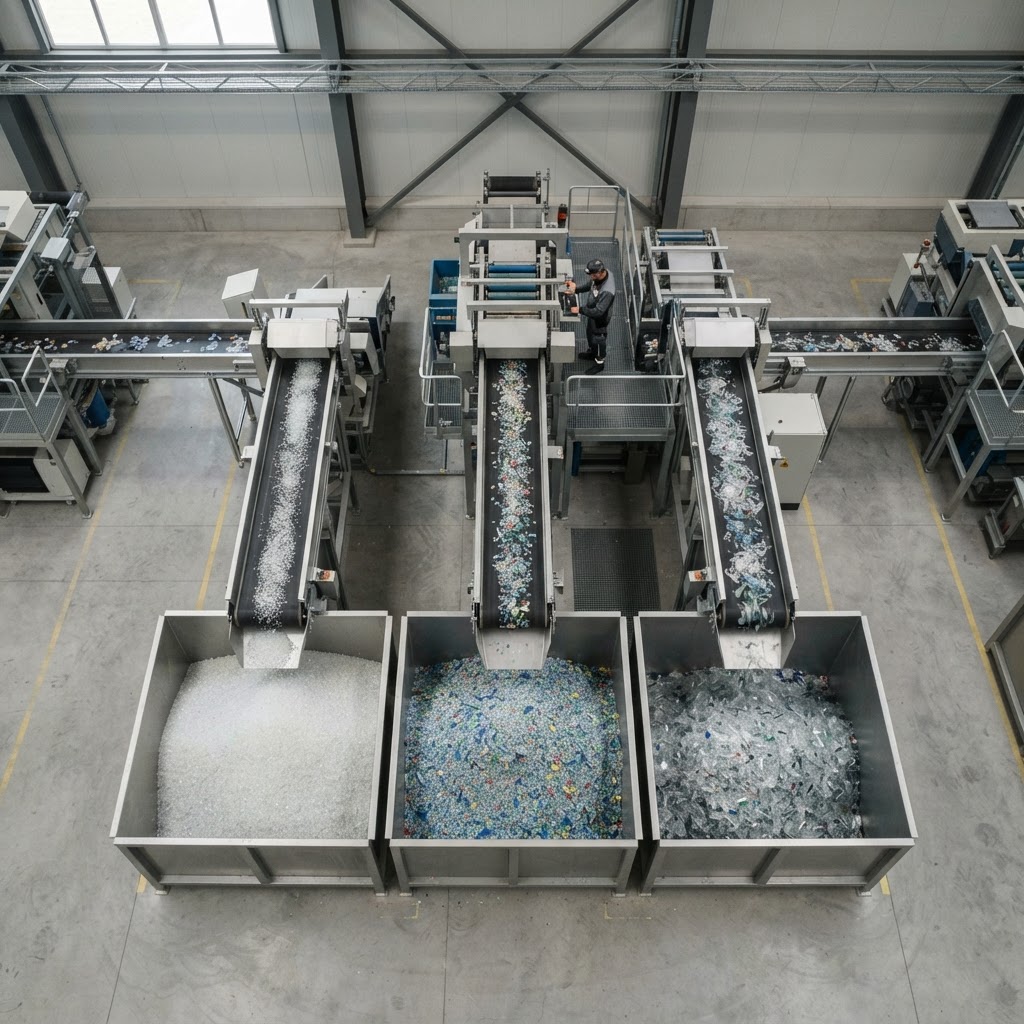
Disposal remains a major hurdle for liquid soap consumers. The EPA (2024) reported that the overall plastics recycling rate in the United States was only 8.7 percent in 2018, with over 27 million tons of plastic waste diverted to landfills.
While PET bottles and HDPE containers achieve higher recycling rates near 29 percent, the secondary components of soap dispensers remain unrecyclable. This ensures that a large portion of liquid soap packaging inevitably contributes to the total waste stream (U.S. EPA, 2024).
How can you make a more sustainable choice?
Transitioning to bar soap is a highly effective way to reduce carbon emissions and plastic waste. If you prefer liquid formulations, choose concentrated options and durable, reusable dispenser systems to extend the lifecycle of the packaging (Palficab, 2026).
Fluven provides an analytical look at the full lifecycle impact of personal care products, allowing you to compare the carbon, waste, and ethics score of various soap brands before you finalize your purchase.
- 1.Palficab. (2026, August 7). Bar soap vs. body wash: What the environmental data actually. https://palficab.com/bar-soap-vs-body-wash-what-the-environmental-data-actually/
- 2.U.S. Environmental Protection Agency. (2006). Life cycle assessment: Principles and practice (EPA/600/R-06/060). National Risk Management Research Laboratory. https://nepis.epa.gov/Exe/ZyPURL.cgi?Dockey=P1000L86.TXT
- 3.U.S. Environmental Protection Agency. (2024). Plastics: Material-specific data. Facts and Figures about Materials, Waste and Recycling. https://www.epa.gov/facts-and-figures-about-materials-waste-and-recycling/plastics-material-specific-data
- 4.Witlox, F. (2015). A LCA case study of hand washing with liquid and bar soap [Poster]. ESU-services. https://esu-services.ch/fileadmin/download/witlox-2015-LCA-soap-poster.pdf
This article was produced with the help of AI and reviewed for adherence to our editorial style guide. It is intended to give directional understanding of a sustainability topic, not to serve as professional, legal, or purchasing advice. Fluven is not responsible for any inaccurate, outdated, or misleading claims that may appear here. If you notice an error, please let us know.
Frequently Asked Questions
Why does liquid soap create more carbon emissions than bar soap?+
Liquid soap creates more emissions due to its high water content, which increases transportation weight, and the energy-intensive manufacturing required for liquid surfactants (Witlox, 2015).
Can I recycle the pump dispensers from liquid soap bottles?+
Most pump dispensers contain metal springs that make them non-recyclable, preventing them from being processed in standard plastic recycling facilities (U.S. EPA, 2024).