Is Natural Dish Soap Actually Better for the Environment Than Conventional Dish Soap?
Understanding the complex lifecycle of cleaning ingredients and the impact of surfactant sources.
James Yoo
Founder and Developer
James Yoo is the founder of Fluven, a sustainability intelligence platform that scores Amazon products on carbon, waste, and ethics at the point of purchase.
Key Takeaways
- Plant-based surfactants are often derived from palm oil, which is frequently linked to tropical deforestation.
- The EPA Safer Choice program provides a science-based framework to evaluate surfactant toxicity and biodegradability.
- Product sustainability is determined by the entire lifecycle, including packaging and concentration, not just ingredient origin.
- Marketing labels like 'natural' or 'non-toxic' often omit upstream supply chain impacts.
The environmental performance of dish soap is not dictated by a simple choice between plant-based and conventional formulas. Research indicates that the primary surfactants in most plant-based cleaning products are derived from palm or coconut oil, two crops associated with significant tropical deforestation (Alhaji et al., 2024). Consequently, the sustainability of a dish soap depends more on its entire lifecycle, including packaging, concentration, and chemical toxicity profiles, than on the origin of its surfactants.
How do regulatory bodies distinguish between surfactant types?
The U.S. Environmental Protection Agency provides a framework for assessing the safety of surfactants through its Safer Choice program. This program evaluates chemical substances based on three fundamental criteria: their rate of biodegradation, the nature of their degradation products, and their level of aquatic toxicity (U.S. Environmental Protection Agency, 2024).
Regulatory standards do not treat all synthetic surfactants as equally harmful. Under these criteria, surfactants that exhibit higher levels of aquatic toxicity must demonstrate a more rapid rate of biodegradation to receive a favorable assessment (U.S. Environmental Protection Agency, 2024). This implies that conventional synthetic surfactants are subject to rigorous safety evaluations that consider their environmental persistence.
Linear alkylbenzene sulfonate remains one of the most widely used anionic surfactants in conventional dish soaps. Because these substances are frequently discharged into wastewater treatment plants, they are tracked closely under the Great Lakes Initiative to ensure they do not reach concentrations that pose a chronic threat to aquatic life (U.S. Environmental Protection Agency, n.d.).
What are the environmental risks of surfactant residues?
Regardless of whether a soap is formulated with plant-derived or synthetic surfactants, residues can enter environmental matrices. A peer-reviewed review published in Environmental Science and Pollution Research identifies these residues as potentially disruptive to ecological stability (Badmus et al., 2021).
Elevated concentrations of surfactants and their corresponding degraded products can significantly alter microbial dynamics. These changes in turn impact biogeochemical processes, potentially hindering plant survival in areas affected by wastewater discharge (Badmus et al., 2021).
Elevated concentrations of surfactants and their degraded products disrupt microbial dynamics and biogeochemical processes, hinder plant-surviving processes, and retard human systemic functionalities (Badmus et al., 2021).
How does palm oil production link to detergent ingredients?
Many plant-based dish soaps rely on sodium lauryl sulfate or decyl glucoside, surfactants commonly derived from palm or coconut oil (Alhaji et al., 2024). Palm oil is the most widely traded vegetable oil globally, and its production has expanded rapidly in recent decades to meet global demand.
Between 2000 and 2024, global palm oil production increased by 229% (Alhaji et al., 2024). This growth is driven by the high yield efficiency of the oil palm crop, which produces significantly more oil per hectare than other vegetable sources. However, this efficiency also provides an economic incentive for agricultural expansion into tropical forests (Alhaji et al., 2024).
What is the impact of oil palm expansion on biodiversity?
The conversion of forests into oil palm plantations has direct consequences for global biodiversity. An analysis of expansion across 20 countries found that 45% of oil palm plantations in Southeast Asia were established in areas that remained forest cover as recently as 1989 (Vijay et al., 2016).
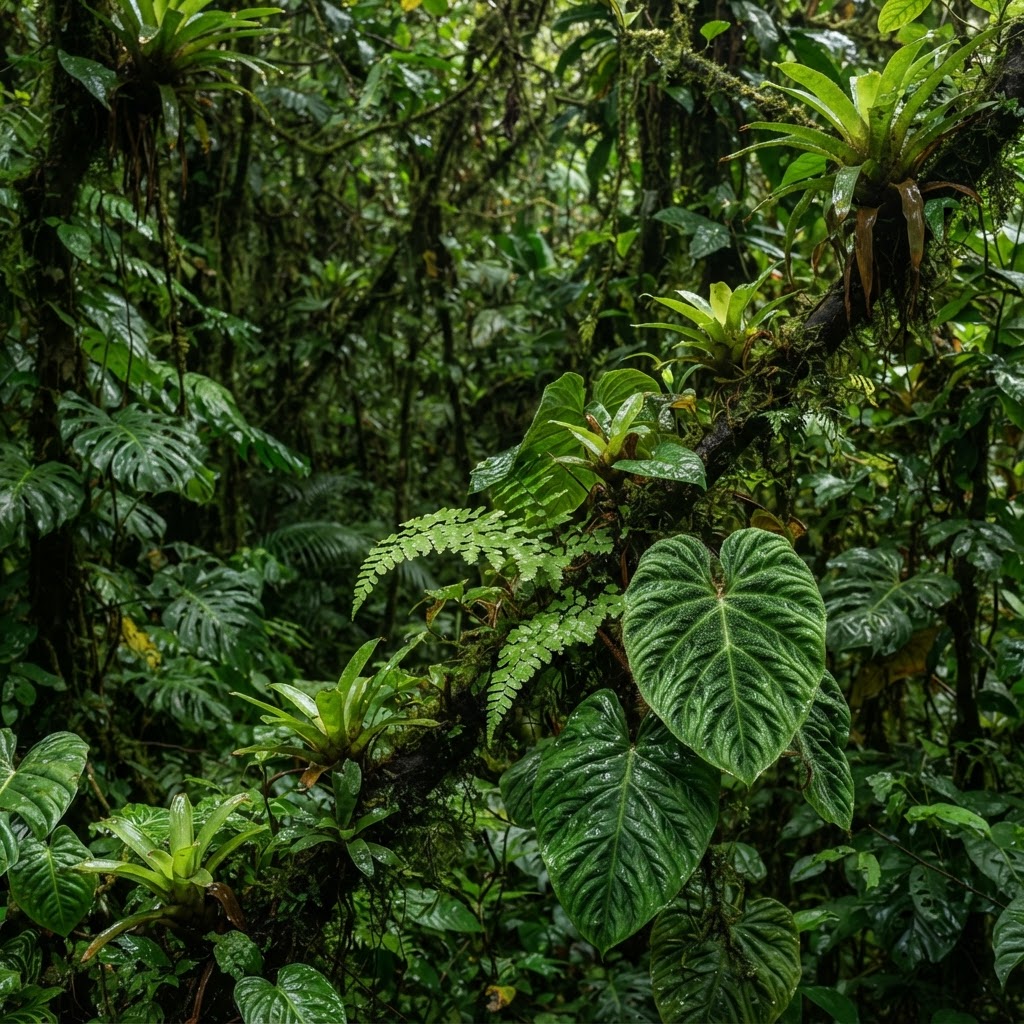
These tropical forests often serve as essential habitats for bird and mammal species currently at risk of extinction. Beyond the loss of habitat, the clearing of these areas releases significant amounts of stored carbon, which contributes to the greenhouse gas emissions associated with the supply chain of plant-based cleaning products (Vijay et al., 2016).
Why does the product label fail to tell the whole story?
Labels on dish soap products typically highlight a specific ingredient or the absence of a controversial substance. These labels do not reflect the total environmental impact of the product. Factors such as the concentration of the soap, the weight of the packaging, and the efficiency of local wastewater treatment are critical to the actual footprint (Alhaji et al., 2024).
A highly concentrated conventional soap in lightweight, recyclable plastic might offer a lower environmental impact than a less-concentrated natural product in a heavy single-use bottle. Consumer perception of a 'natural' label can therefore lead to purchases that conflict with actual sustainability goals (Badmus et al., 2021).
What can consumers do to make informed choices?
Sustainability requires evaluating products based on evidence rather than marketing claims. Consumers should prioritize products that demonstrate supply chain transparency regarding the origin of their surfactants. Understanding the difference between a label claim and a validated certification like the EPA Safer Choice program is a necessary first step.
Evaluating the sustainability of household products involves looking at the full lifecycle of the item. Before making a purchase, use the Fluven platform to check the sustainability score of a dish soap, which accounts for full supply-chain impacts rather than just individual label claims.

- 1.Alhaji, A. M., Almeida, E. S., Carneiro, C. R., Sodré da Silva, C. A., Monteiro, S., & dos Reis Coimbra, J. S. (2024). Palm Oil (Elaeis guineensis): A journey through sustainability, processing, and utilization. Foods, 13(17), 2814. https://doi.org/10.3390/foods13172814
- 2.Badmus, S. O., Amusa, H. K., Oyehan, T. A., & Saleh, T. A. (2021). Environmental risks and toxicity of surfactants: Overview of analysis, assessment, and remediation techniques. Environmental Science and Pollution Research International, 28(44), 62085–62104. https://doi.org/10.1007/s11356-021-16483-w
- 3.U.S. Environmental Protection Agency. (2024). Safer Choice criteria for surfactants. https://www.epa.gov/saferchoice/safer-choice-criteria-surfactants
- 4.U.S. Environmental Protection Agency. (n.d.). Aquatic life fact sheet for linear alkylbenzene sulfonate: Aquatic life chronic concentration. Great Lakes Initiative Clearinghouse. https://www.epa.gov/gliclearinghouse/aquatic-life-fact-sheet-linear-alkylbenzene-sulfonate-aquatic-life-chronic
- 5.Vijay, V., Pimm, S. L., Jenkins, C. N., & Smith, S. J. (2016). The impacts of oil palm on recent deforestation and biodiversity loss. PLOS ONE, 11(7), e0159668. https://doi.org/10.1371/journal.pone.0159668
This article was produced with the help of AI and reviewed for adherence to our editorial style guide. It is intended to give directional understanding of a sustainability topic, not to serve as professional, legal, or purchasing advice. Fluven is not responsible for any inaccurate, outdated, or misleading claims that may appear here. If you notice an error, please let us know.
Frequently Asked Questions
Are all plant-based surfactants more sustainable than synthetic ones?+
Not necessarily. Many plant-based surfactants are derived from palm oil, which is a major driver of tropical deforestation and biodiversity loss (Alhaji et al., 2024; Vijay et al., 2016).
Does the EPA evaluate the safety of dish soap surfactants?+
Yes, the EPA Safer Choice program uses specific criteria including the rate of biodegradation, degradation products, and level of aquatic toxicity to evaluate surfactant safety (U.S. Environmental Protection Agency, 2024).